Marsoft Inc., a leading maritime consultancy, and ClimeCo LLC, a leading player in the carbon credit market, announce a collaboration to expand the scope and value of Marsoft’s GreenScreen carbon credit services (GreenScreen), removing financial barriers to the shipping industry’s commitment to achieving material carbon emissions reductions.

With MarineSoft’s GreenScreen services, Shipowners can issue Gold Standard carbon credits based on the reduction in CO2 emissions created by retrofitting their ships. As a result of the credits being sold, investments in retrofits can be made, reducing risks and increasing profitability from the reduction in CO2 attributable to the retrofits.

“Carbon credits can be an important source of funding for retrofits that reduce fuel consumption and CO2 emissions. Gold Standard certification of those reductions gives owners access to the rapidly expanding voluntary carbon market. By collaborating to simplify, accelerate, and cut costs from the carbon credit verification, issuance, and monetization process Marsoft and ClimeCo will make carbon credits part of the industry-wide solution to the challenge of decarbonization,” said Arlie Sterling, President at Marsoft Inc.

Bill Flederbach, CEO and President of ClimeCo, highlighted the value of this newly formed team: “We will deliver substantial cost and time savings while enhancing value to those customers who take advantage of GreenScreen. ClimeCo is putting its 17 years of experience and unmatched carbon trading scale and expertise behind shipowners and their determination to decarbonize their business. ClimeCo’s deep carbon market expertise and relationships will maximize the value of their carbon credits.”

Erika Shiller, VP of Project Development at ClimeCo, emphasized the powerful benefits from the collaboration. “Leading shipowners have already signed up for GreenScreen and have already budgeted a million-tonne reduction in CO2 emissions over the next five years. The Marsoft/ClimeCo team will establish a high value/high liquidity presence in the carbon markets for credits from shipping. GreenScreen is proven and unique, and we are committed to making it even better by teaming with Marsoft.”

Combined with Marsoft’s shipping expertise, GreenScreen’s breakthrough technology, and ClimeCo’s carbon solution development and market reach, the shipping industry finally has the solution it needs to reduce emissions. Together, Marsoft and ClimeCo offer shipowners a means to reduce their CO2 emissions now at minimum cost and maximum revenue potential.

ClimeCo and Marsoft have committed to offering an industry-level solution to verify CO2 emissions reduction, issue credits, and monetize credits. The combination of ClimeCo’s environmental solutions track record and Marsoft’s breakthrough management tools for the shipping industry ensures that the shipping industry can benefit from the state-of-the-art and critical mass. Marsoft and ClimeCo have invested substantial resources and are willing to invest alongside the shipowner to reduce CO2 emissions.

Source: https://www.seanews.co.uk/maritime-events/climeco-and-marsoft-join-forces-to-decarbonize-shipping/


The Vancouver-based Chamber of Shipping has welcomed the Government of Canada’s continued commitment to protecting Canada’s coasts by expanding and extending the Oceans Protection Plan (OPP) for an additional nine years with a further investment of $2 billion.

The Chamber of Shipping is pleased with the federal government’s acknowledgment of the relationship between the supply chain and ocean protection.  Protecting Canada’s oceans and coasts requires effective and efficient ports, and safe, sustainable and competitive marine transportation corridors.

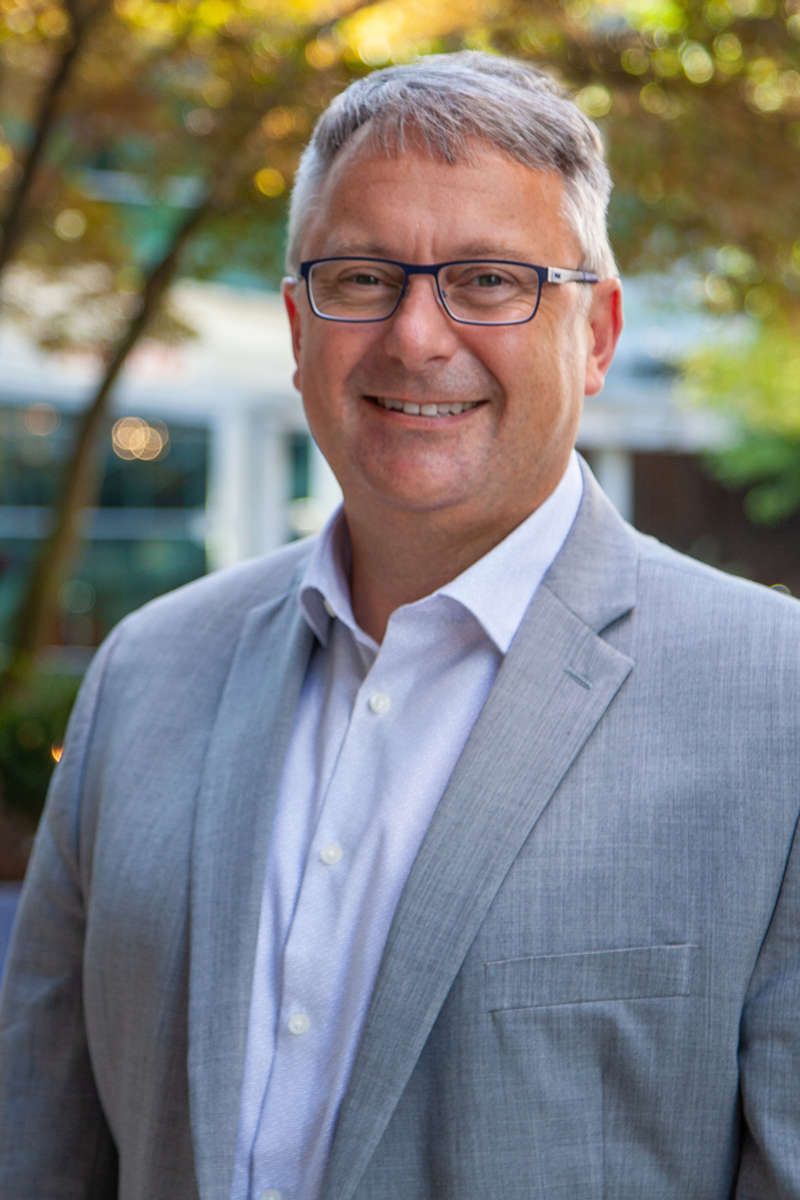
“We are pleased that the Prime Minister acknowledged that Canada’s oceans and coasts form an integral component of national and global supply chains,” stated the Chamber’s President Robert Lewis-Manning.

“The expanded mandate of the Oceans Protection Plan to address supply chain challenges must be backed by good governance and evidence, as Canada’s marine and connected terrestrial supply chains have shown their vulnerability to climate change, disruption, and trade surges. This incorporation ensures that solutions to supply chain issues are sustainable and that environmental, social, and economic interests are balanced.”

“Moving forward, we encourage the Government of Canada to facilitate collaboration and coordination between all levels of government, including Indigenous governments, the shipping industry and other users of waterways and ports. Integration is paramount given the complexity of ocean ecosystems, the marine operating environment and supply chain resilience.”

Canadian agricultural products and natural resources are in high demand globally as many countries grapple with the impacts of the pandemic, the war in Ukraine, and the impacts of climate change. Canada’s marine supply chain needs to have sufficient capacity and resiliency to address trade demands, food security, and any disruption to the supply chain, while minimizing impacts. Chamber’s President Robert Lewis-Manning photo: Chamber of Shipping

Source: https://maritimemag.com/en/chamber-of-shipping-welcomes-ottawas-increased-investment-in-oceans-protection-plan/


This new standard has been developed by the IASME Consortium together with the Royal Institution of Naval Architects (RINA), to raise cyber security standards within the maritime sector.

The baseline offers shipping companies the certification required to assert their vessels uphold the maritime cyber security regulation standards. The baseline includes the audit of different types of vessels, such as commercial vessels, especially cargo, passenger ferries, and yachts. It also covers crewed and autonomous vessels.

Nir Ayalon, Cydome’s CEO, said: “We’re very proud to become the first international Certification Body for Maritime Cyber Baseline – and to join the IASME consortium. This step is aligned with Cydome’s vision of providing maritime organisations with the ability to show their cyber resilience through a quick automated process – reducing the friction, hassle, cost and time of manual audits. Getting a Maritime Cyber Baseline certification will give a strong message to the shipping companies, insurance companies and the management of the commitment to having a secure fleet – and to mitigate cyber risks.”

Cydome, a cyber security company for the maritime industry, offers advanced cyber security capabilities designed to fend off maritime cybercrime on and offshore.

Source: https://thedigitalship.com/news/maritime-satellite-communications/item/7967-cydome-approved-to-certify-vessels-for-maritime-cyber-baseline


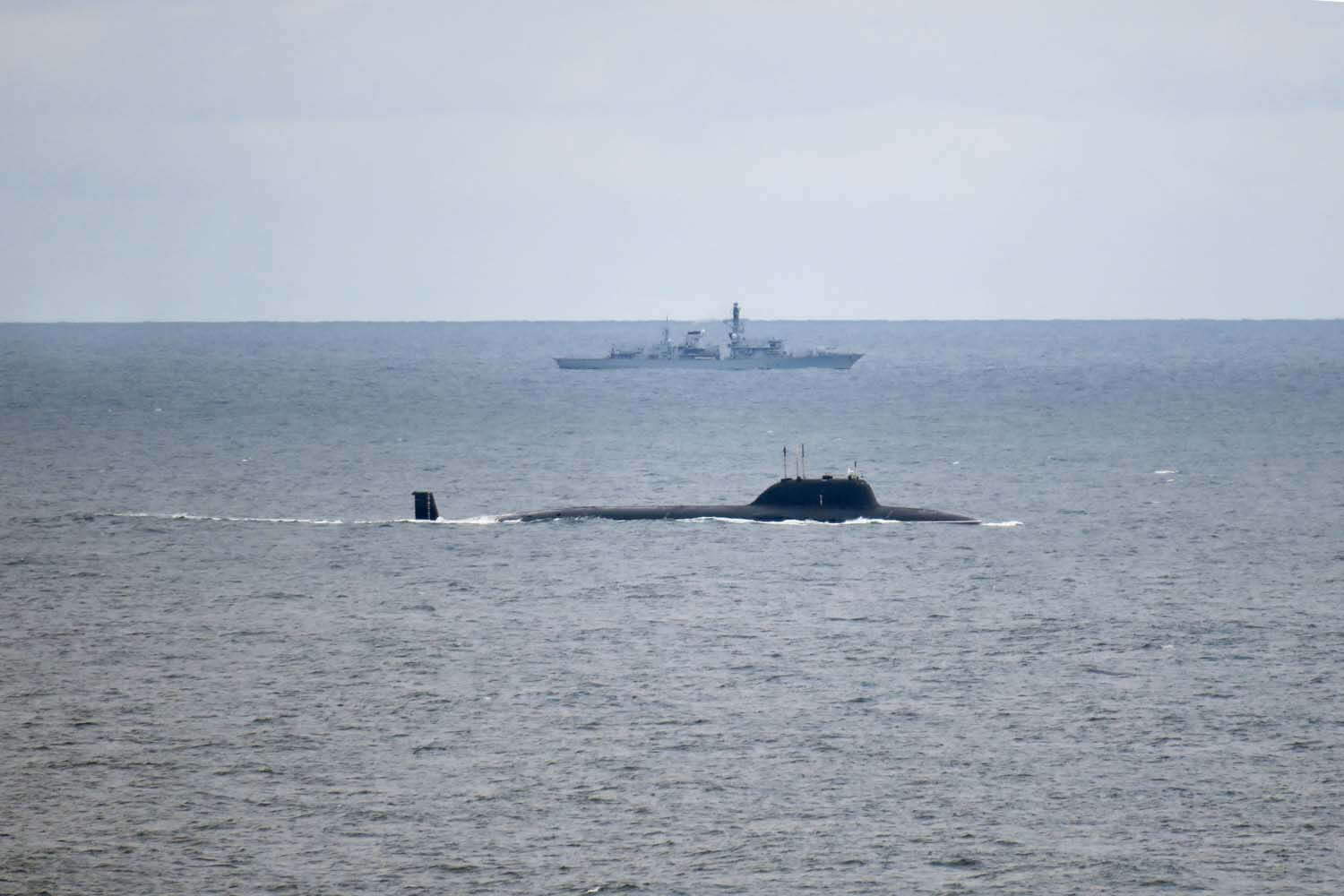
Last week, a Royal Navy warship picked up and tracked two Russian along the Norwegian coast. HMS Portland monitored the state-of-the-art Yasen-class missile sub Severodvinsk and the Akula-class attack sub Vepr as they headed southbound from Russia’s Arctic bastion.

The Type 23 frigate shadowed the submarines as they surfaced separately in the North Sea, northwest of Bergen, on July 16 and 19. NATO and NATO-applicant forces took over tracking duties as the subs continued to St Petersburg for Russian Navy Day celebrations, which will be held on July 31.

The Yasen-class sub Severodvinsk with HMS Portland. The Yasen-class is a modern design and is reportedly difficult to track (Royal Navy)

One of the Royal Air Force’s new P-8 Poseidon maritime patrol aircraft worked closely with HMS Portland to hunt and track the submarines.

“The cohesiveness of Royal Navy, RAF and our allies’ capabilities ensures that we are capable of conducting and sustaining these types of anti-submarine operations in the North Atlantic,” said HMS Portland CO Commander Tim Leeder.

Training under way

Back home, the Royal Navy is busily training up Ukrainian Navy personnel to get ready for mine warfare. Britain is sunsetting its minehunting fleet and going completely automated with unmanned minehunting systems, so its Sandown-class minehunters are no longer needed. Two of the previous-generation vessels will be sold to Ukraine, and 80 Ukrainian sailors have traveled to Britain to train to operate them.

“The intensity with which the Ukrainian soldiers and sailors are training is something to behold. They work with the focus of troops who know they’ll be fighting in a war in just a few short weeks’ time,” said UK Armed Forces Minister James Heappey. “Delivering training that matches that intensity and focus is not straightforward. The Royal Navy and the British Army are working long hours and drawing on all their operational experience.”

Around Britain, more than 1,000 UK service personnel are involved in training Ukraine’s armed forces. In addition to specialized trainings for the crews for the Sandown-class, British Army units are providing basic training for thousands of recruits for the front lines.

Source: https://www.maritime-executive.com/article/royal-navy-tracks-russian-subs-off-coast-of-norway


Insurers will only be willing to cover ships sailing through a proposed corridor to get Ukrainian grain out if there are arrangements for international navy escorts and a clear strategy to deal with sea mines, underwriters and brokers say.

Russia, Ukraine, Turkey and the United Nations are expected to sign a deal later this week aimed at resuming the shipping of grain from Ukraine across the Black Sea.

Ukraine’s ports have been closed since Russia’s invasion in February, which Moscow calls a “special military operation”, with marine insurers based in Lloyd’s of London and the wider London commercial insurance market awaiting more assurances given the potential losses involved with every ship.

Insurance for the ships would be possible “if a sensible solution were offered”, said Rory Colacicchi, a partner at insurance broker McGill and Partners.

“There would have to be escorts, mine sweepers, so an underwriter could say ‘that’s given us the satisfaction that it’s not just a gamble’. At the moment, that’s just a gamble, you wouldn’t be able to go.”

An acceptable escort could be provided by joint Ukrainian and Russian ships, or by the United Nations or a neutral power such as Turkey, insurance sources said.

An aide to mine sweeping could be the use of satellite technology to identify the locations of the mines, said a marine war insurer who declined to be named due to the sensitivity of the issue.

Countries such as the United States, Britain or France may have that technology, the insurer added.

The initial problem is that there are over 80 ships stuck in Ukraine – many with cargoes onboard including grain – which need to get out before new ships can go in, sources said.

A second UK-based broker, who declined to be named, said his firm had worked to get an “insurance framework” in place for a ship willing to go into Ukraine to bring out grain, once a corridor is in place.

“The client is on standby to go in from a humanitarian perspective,” the broker said.

Additional premiums charged to go into the broader Black Sea area have dropped, reflecting more confidence to provide insurance since February, industry sources said.

The additional premiums paid to go into Black Sea waters have dropped to 2% of the value of the ship from 5% shortly after the invasion, said Marcus Baker, global head of marine at broker Marsh.
Source: Reuters (Reporting by Carolyn Cohn and Jonathan Saul, editing by Sinead Cruise and David Evans)


Independent classification society DNV has verified that Signal Ocean’s estimates of vessel CO2 emissions comply with IMO guidelines.

All aspects of a voyage, as well as any route deviations already taken by any vessel, are considered in the calculation. Additional factors such as vessel size, age, speed, loading conditions, shipyard, use of scrubbers, and fuel type are also considered and accounted for in the algorithm. Shipowners and traders of tankers, dry bulk and LPG vessels use the service to support their chartering decisions. Users can see historical estimates back to 2018 for all tankers over 25k dwt, all dry cargo vessels over 20k dwt, and all LPG vessels.

Signal Ocean’s emissions estimates have now been recognized as valid and robust by DNV’s formal Letter of Professional Opinion.

As a result of a detailed review, Dr. George Dimopoulos, Principal Specialist and Head of DNV Maritime’s R&D and Advisory Unit, said:

“After the review, our qualified professional opinion is that the subject Vessel Emissions Algorithm of Signal Ocean meets the required standards detailed in MARPOL’s carbon intensity calculation guidelines. DNV invests substantially in research, development, and innovation to provide value to our customers and the society at large. We will continue to actively support initiatives and developments that advance digital smart solutions to tackle decarbonization of the maritime industry.”

David Watts, VP of Business Development and Partnerships at Signal Ocean said:

“The maritime industry is working hard to improve its emission performance. The provision of robust and consistent estimates for a vessel’s emissions performance is a crucial step in providing greater transparency and allowing market participants to make more informed decisions. Coverage will be expanded to include smaller wet and dry vessels later this year with Container ships estimates being added after that. The service allows users to compare a vessel’s or fleet’s performance against the IMO’s Carbon Intensity Indicator, Poseidon Principles and Sea Cargo Charter targets. We will continue to invest in this area and respond to new measures as they are introduced by the IMO.”

Source: https://www.seanews.co.uk/maritime-events/dnv-verifies-vessel-emission-estimates/


North’s membership in the Maritime Anti-Corruption Network demonstrates the Club’s commitment to a fairer and more sustainable shipping community.

To support a more sustainable maritime community, North P&I Club has joined the Maritime Anti-Corruption Network (MACN), a global business network with the goal of combating corruption and enabling fair trade in shipping.

As an MACN member, North joins over 165 global companies in working towards the elimination of all forms of maritime corruption. The Network’s activities include raising awareness of the issue; implementing the MACN Anti-Corruption Principles and establishing best practices; collaborating with governments, non-governmental organisations and wider society to determine and address the root causes of corruption; and fostering a culture of integrity within the shipping community.

Mark Church, Head of Sustainability, North P&I Club, said: “That over 50,000 anonymous incidents have been reported to the MACN since its foundation in 2011 highlights the importance of its existence. By joining the Network, we can contribute towards the elimination of a significant but under-acknowledged threat – and in doing so, help ensure that our Members, and the maritime community at large, continue to trade with confidence.”

MCN membership is also a significant step on North’s sustainability roadmap as outlined in the inaugural North Group Impact Report. The Club’s Sustainability Impact Report, published in December 2021, identifies seven Sustainable Development Goals (SDGs) as underpinning its sustainability efforts, including SDG 16: Peace, Justice, and Strong Institutions. Among other measures, SDG 16 proposes “legislation covering sanctions, anti-bribery, anti-money laundering and anti-terrorism financing”.

Paul Jennings, Chief Executive, North P&I Club, commented: “The North Group Impact Report set out a roadmap for the Club to follow in achieving its sustainability targets, and it is highly encouraging to see tangible progress being made in a key area barely six months on from the report’s publication. The MACN’s goals align with our own ambitions for a fairer, more sustainable maritime industry that has society’s best interests at heart.”

Source: https://www.seanews.co.uk/maritime-events/maritime-anti-corruption-network-welcomes-north-as-a-member/


  • Hong Kong-based OOCL is switching to electronic Bills of Lading (eB/L) to  enhance efficiency of the global supply chain and cut shipments’ carbon footprint 
  • eB/L provides a digital channel for all users to access real-time status of the shipping process. eB/L also guarantees security, accuracy, and authenticity of data
  • The solution also enables various parties such as shippers, cargo owners, and banks to manage the eB/L and perform title transfers, surrenders for delivery, etc.​

Orient Overseas Container Line said on July 19 that it is switching to electronic Bills of Lading (eB/L) to enhance the efficiency of the global supply chain, reduce the carbon footprint of each shipment, and give customers the ultimate shipping experience.

Headquartered in Hong Kong, OOCL is one of the world’s largest integrated international container transportation and logistics companies, with over 125 offices in more than 100 major cities.

OOCL’s eB/L solution is powered by digital solutions provider IQAX Limited and built on Global Shipping Business Network (GSBN)’s blockchain platform.

By leveraging this technology, eB/L provides a digital channel for all involved parties to access the real-time status of the shipping process. eB/L also guarantees the security, accuracy, and authenticity of data, as well as ensures that data on the blockchain network is traceable and from a single source.

The eB/L solution not only offers issuance of online Bills of Lading, but also enables different parties such as shippers, cargo owners, forwarders and banks to manage the eBL and to perform title transfers, surrenders for delivery, status updates and history reviews.​

“The adoption of eBL brings a revolutionary change in business operations. Bills of Lading are at the heart of global trade, and an essential part of the shipment process, but they are also in an excellent position to benefit from exactly this kind of technological advance,” OOCL said.

“Moving from a process of physical posting and collection of paper documents into the new eB/L era will increase security and accuracy, reduce supply chain uncertainties and delays, and control costs.”

As a core part of OOCL’s environmental, social and governance (ESG) goals, tackling the challenges of climate change and assuring sustainability are a clear priority, the company said.

Switching to a paperless solution enables OOCL to help its customers eliminate waste generation and the consumption of forest resources, and to minimize their carbon footprint by avoiding the need to print and post paper documentation. The adoption of eB/L marks another milestone in the sustainability journey of the company and the industry.

“OOCL has always been a pioneer in deploying the latest technology to drive a real, tangible improvement in operations,” said Kenny Ye, chief operating officer of OOCL.

“Switching to eB/L not only allows us to deliver an enhanced shipping experience to our worldwide customers, but also helps OOCL and our customers achieve multiple goals in terms of reducing costs, enhancing operational efficiency, and reducing the environmental impact of our activities.”

Ye said the launch of OOCL’s eB/L show “our commitment to the environment and to providing high quality services. It will continue to be part of our mission to develop and implement further technological advances to assist our customers achieve the optimal shipping solution.”

OOCL’s eB/L is offered to global customers and is recognized by the International Group of P&I Clubs. Registered customers can access the eB/L by logging in  IQAX eB/L’s portal​.

Source: https://www.portcalls.com/oocl-switching-to-electronic-b-l/


Plastic waste is a major part of the global pollution crisis, affecting marine organisms and ecosystems and, in turn, posing a threat to human health. To support efforts to mitigate the issue it is vital that marine plastic can be monitored effectively, however this is challenging given the scale, complexity and time required to do so manually.

As such, a team of scientists from Plymouth Marine Laboratory have ‘trained’ an Artificial Intelligence (AI) model to recognize and classify the different types of marine plastic captured in images shot by a video camera mounted on the side of a boat.

Funded by the PML internal research program and the European Space Agency (ESA), the innovative study – titled “Detection and Classification of Floating Plastic Litter Using a Vessel-Mounted Video Camera and Deep Learning” – was carried out as part of an undergraduate placement project, with the results now published in the journal Remote Sensing.

The AI model itself was trained using the MAGEO supercomputer (Massive GPU Cluster for Earth Observation) which is based at PML and operated by the Natural Environment Research Council Earth Observation Data Acquisition and Analysis Service (NEODAAS).

The model was able to classify the presence or absence of plastic in an image with an accuracy of 95% and capable of differentiating different types of plastic – for example a plastic bag or bottle – with an accuracy of 68%.

It is now envisaged that the technique could be more widely applied using crewed or autonomous vessels, such as PML’s proposed long-range autonomous research vessel, the Oceanus, thereby revolutionising existing capabilities to monitor floating plastic litter.

“In situ harmonized and simplified observations of floating marine plastic debris are currently very limited in the literature,” said
Dr Victor Martinez Vicente, Senior Scientist at PML. “We have aimed to tackle the scarcity of these observations through our research on low-cost automated observations. We hope that this initial step will lead to an increase of in situ observations everywhere, but especially in poorer countries where marine litter is usually a great problem.”

With the increase of these observations, we expect to support the validation of algorithms from current sensors and the development of future satellite missions. Properly validated satellite algorithms will allow us to use remote sensing techniques to monitor the progress towards Sustainable Development Goals (in particular index SDG 14.1.1.b) at global scale.”

Source:https://www.marinetechnologynews.com/news/floating-plastic-litter-detected-621239


The Coast Guard recognized liquefied natural gas expert Ed Carr for his contributions to Coast Guard marine safety and homeland security missions during a ceremony at Coast Guard Sector Houston-Galveston, Tuesday.

Capt. Aaron Demo, chief traveling inspector with the Coast Guard’s Traveling Inspection, Training Support & National Center of Expertise Staff in Washington, D.C., recognized Carr with a Meritorious Public Service Award for supporting the Coast Guard’s LGC National Center of Expertise from 2014 to 2019.

During his tenure as senior vice president of the LNG division at Mitsui O.S.K. Bulk Shipping (USA) LLC, Carr bolstered the Coast Guard’s LNG ship rider training program and facilitated over eight professional exchanges, resulting in more than 2,000 hours of training for Coast Guard personnel on advanced LNG equipment, operations and crew requirements.

Additionally, in support of the merchant marine industry training program, Carr established and fostered five mutual training agreements with diverse groups of maritime stakeholders and developed an inaugural training approach with Korean-built vessels.

“Ed Carr built cohesive relationships between the Coast Guard and maritime community during a pivotal time when the LNG industry was experiencing tremendous growth,” said Lt. Cmdr. William J. Hickey, detachment chief, LGC NCOE. “His efforts honed the technical prowess of our marine inspectors and strengthened communication with our partners in the Marine Transportation System community.”

The Coast Guard Meritorious Public Service award is the second highest civilian award of its kind, and is used to recognize substantial contributions to Coast Guard missions and public safety.

Source: https://www.hstoday.us/subject-matter-areas/maritime-security/coast-guard-recognizes-lng-expert-for-supporting-marine-safety-homeland-security/


Company DETAILS

SHIP IP LTD
VAT:BG 202572176
Rakovski STR.145
Sofia,
Bulgaria
Phone ( +359) 24929284
E-mail: sales(at)shipip.com

ISO 9001:2015 CERTIFIED