
1. IMO Regulatory Momentum Driving ERB Adoption
The maritime industry’s digital transformation continues to accelerate as shipowners and operators prepare for imminent regulatory changes concerning electronic record books.
Under IMO conventions (MARPOL and BWM), electronic record books are increasingly legitimised and expected to replace traditional paper logs. Recent regulatory emphasis has been on formalising standards and approvals for these systems to ensure consistency across flags and classifications. This includes upcoming amendments to the Ballast Water Record Book (BWRB) requirements, which will take effect in October 2025 and will mandate approved formats for electronic entries, increasing the need for compliant ERB systems.
As a result, many ship operators are accelerating implementation plans for ERB systems that meet these IMO guidelines, balancing digitalisation against audit readiness and port state expectations.
2. Operational Impact: ERBs Reducing Administrative Burden
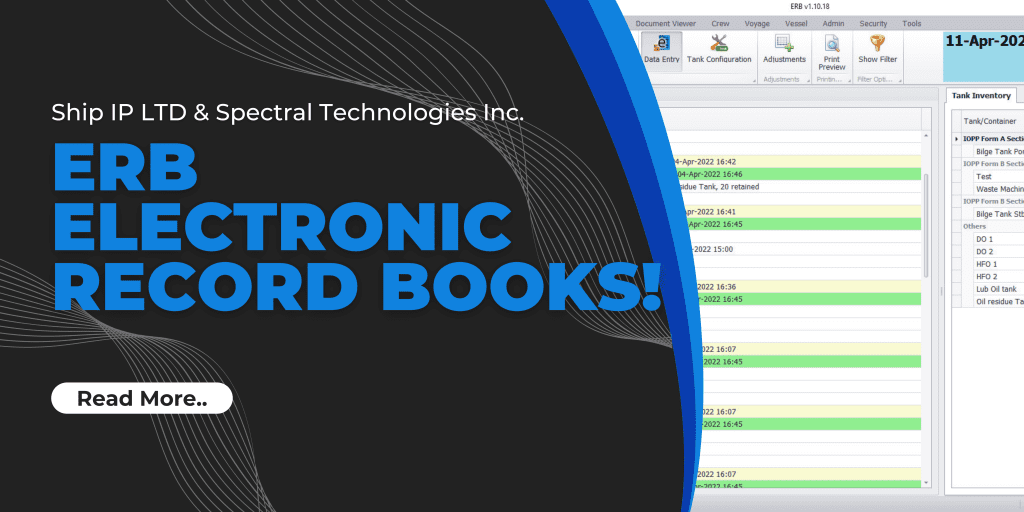
Industry solutions such as MariApps eRBooks and similar digital platforms demonstrate ongoing demand for tools that:
- Replace paper logs with secure, automated logging interfaces
- Provide onboard and shore-to-shore synchronization
- Improve data transparency and validation
- Enable compliance with multiple MARPOL record types (e.g., oil, garbage, cargo, ballast water logs)
This trend reflects how digital logs help reduce human error, cut administrative workload, and streamline compliance during inspections or PSC checks.
3. Technology Evolution: User-Friendly ERB Features
Modern ERB solutions are now adding enhancements that go beyond simple electronic log entries. Recent product updates in the wider digital logbook arena include:
- Automated transfers & tank-by-tank record management
- Data validation checks for error reduction
- Tamper-proof security (e.g., blockchain or cryptographic anchoring)
- Remote access for monitoring and reporting from shore offices
These innovations are geared toward improving record accuracy and audit transparency, directly addressing key operational pain points for compliance teams.
4. What This Means for ERB Implementation Today
Despite the regulatory approval pathways being clearly defined by IMO guidelines and flag administrations, many operators still need to prioritise ERB readiness ahead of full regulatory enforcement. The pressure is increasing as ports and auditors place more focus on digital compliance during inspections.
Key considerations for ship managers:
- Ensure your ERB system is approved or has a clear pathway to approval under IMO guidelines.
- Review how ERB implementations will integrate with crew training and daily operational workflows, especially as digital fluency becomes essential.
- Evaluate whether your current solution can satisfy upcoming BWRB entry format requirements and ensure audit readiness well before enforcement deadlines.
- Look for ERB platforms offering automated checks, audit trails, and secure logging, not just basic digital replacements for paper books.
5. Industry Perspective
Digital record books are no longer experimental tools — they are quickly becoming a core part of maritime compliance infrastructure. Operators who invest in compliant, feature-rich ERBs now will benefit operationally and be far better positioned to meet evolving regulatory requirements without disruption.