
Electronic Record Books Continue to Transform Maritime Compliance
The maritime industry is accelerating the transition from traditional paper logbooks to Electronic Record Books (ERBs) as regulators and ship operators increasingly adopt digital compliance solutions.
Over the past week, industry discussions have focused on new regulatory clarifications and growing flag-state acceptance of ERB systems, reinforcing the global shift toward digital record-keeping across fleets.
Electronic record books allow ships to record operational data such as oil transfers, garbage management, ballast water operations, and engine parameters in a secure digital format.
Under International Maritime Organization (IMO) guidelines, electronic record books must be approved by the vessel’s flag administration and comply with strict data integrity and audit requirements.
New Regulatory Emphasis on Approved ERB Systems
Recent regulatory consultations highlight the importance of using approved electronic record book systems when vessels replace traditional paper logbooks.
Authorities have clarified that if a vessel chooses to use an electronic record book, the system must be formally approved and compliant with existing MARPOL ERB standards.
This approach ensures that digital logs maintain the same reliability and legal validity as paper records during inspections, port state control checks, and audits.
MARPOL and Ballast Water Record Books Moving to Digital
Under international conventions such as MARPOL and the Ballast Water Management Convention, electronic record books can now replace several traditional ship logbooks when approved by the flag administration.
These may include:
- Oil Record Book (ORB)
- Cargo Record Book
- Garbage Record Book
- Ozone-depleting substances record
- Fuel oil changeover log
- Ballast Water Record Book
Electronic versions must follow IMO guidelines such as MEPC.312(74) for MARPOL ERBs and MEPC.372(80) for Ballast Water ERBs.
Increasing Adoption by Shipowners and Flag States
Many shipping companies are now adopting ERB systems to improve operational transparency and reduce administrative workload onboard vessels.
Approved ERB software solutions are being issued by classification societies and maritime software providers, enabling ships to maintain secure digital logs that can be audited and verified by authorities.
Industry observers expect electronic record books to become the standard method of compliance across most vessel types over the next few years, replacing manual recordkeeping in many operational areas.
Digital Compliance Platforms Supporting Modern Fleets
As the maritime sector moves toward digital compliance and smart fleet management, integrated software platforms are playing an increasingly important role.
Modern fleet management systems allow ship operators to combine planned maintenance, safety management, document control, and electronic record keeping within a single digital platform.
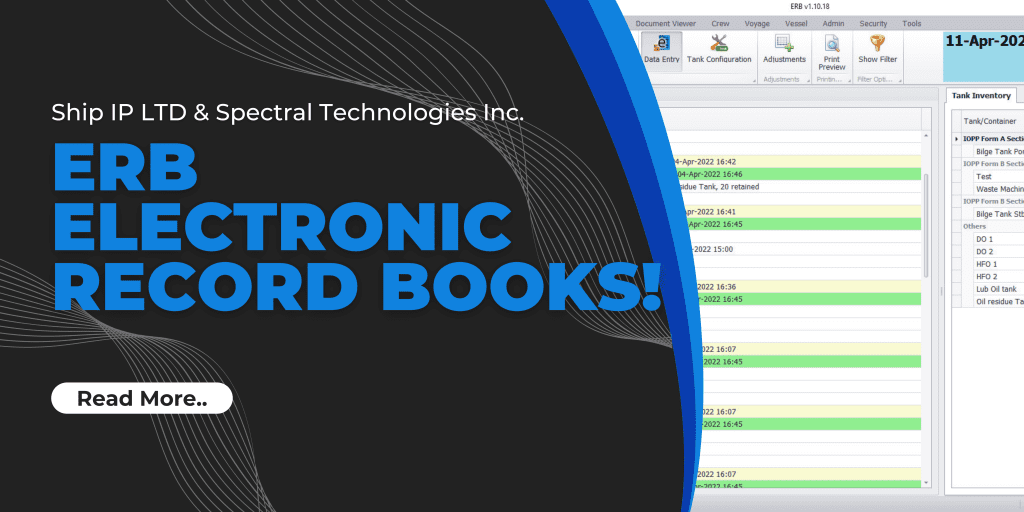
Solutions such as the Electronic Record Book (ERB) system provided by Shipip Ltd enable shipping companies to maintain IMO-compliant digital logbooks while improving operational efficiency and regulatory transparency.
👉 Learn more about maritime ERB solutions: