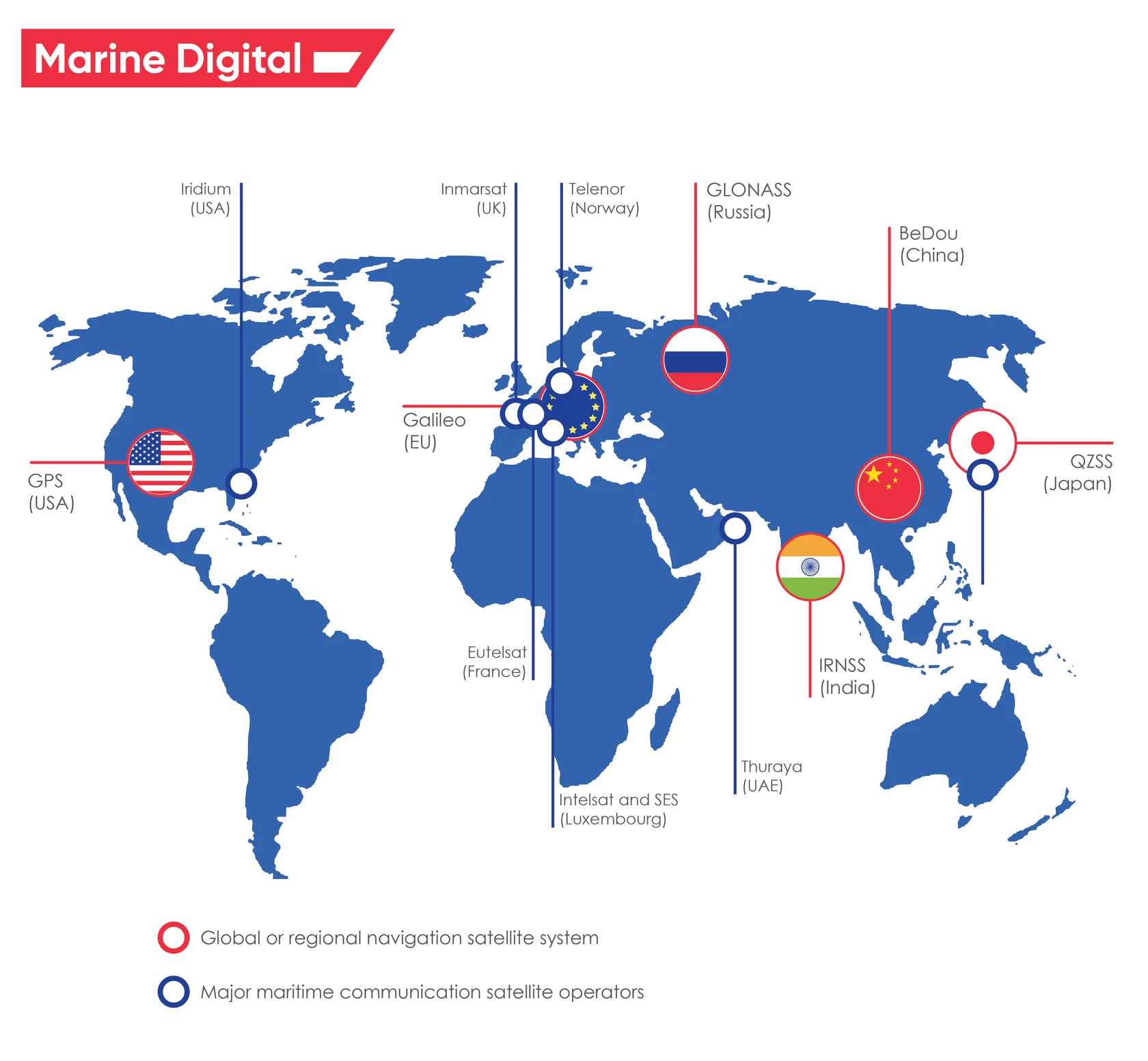
Today, ships generate, collect and transmit an ever-increasing volume of data. To achieve efficient data transfer, wireless communications have been widely adopted for many years. Marine very high frequency (VHF) installations, satellites and WiFi are just a few examples.

Radio media transmission adrift had gone through an ocean change in the only remaining century. After the times of semaphores and banners (which is as yet pertinent today at times), radio achieved an extreme change in marine correspondence adrift.

From the early long stretches of the only remaining century, ships began fitting radio for conveying trouble signals among themselves and with the shore. Radiotelegraphy utilizing Morse code was utilized in the early aspect of the 20th century for marine correspondence.

In the seventies, in the wake of thinking about the investigations of the International Telecommunication Union, IMO achieved a framework where transport to-transport or boat to-shore correspondence was placed without hesitation with some level of computerization, wherein a gifted radio official keeping 24×7 watch was not needed.

Marine correspondence between ships or with the shore was conveyed with the assistance of locally available frameworks through shore stations and even satellites. While transport-to-deliver correspondence was achieved by VHF radio, Digital Selective Calling (DSC) concocted carefully controller orders to send or get trouble ready, critical or wellbeing calls, or routine need messages. DSC regulators would now be able to be coordinated with the VHF radio according to the SOLAS (Safety Of Life at Sea) show.

Satellite administrations, instead of earthbound correspondence frameworks, need the assistance of geostationary satellites for sending and getting signals, where the scope of shore stations can’t reach. These marine correspondence administrations are given by INMARSAT (a business organization) and COSPAS – SARSAT (a worldwide government-subsidized office).

While INMARSAT gives the extent of two-way correspondences, the COSPAS – SARSAT has a framework that is restricted to gathering of signs from the crisis position and places without any offices of two-way marine interchanges, showing radio signals (EPIRB).

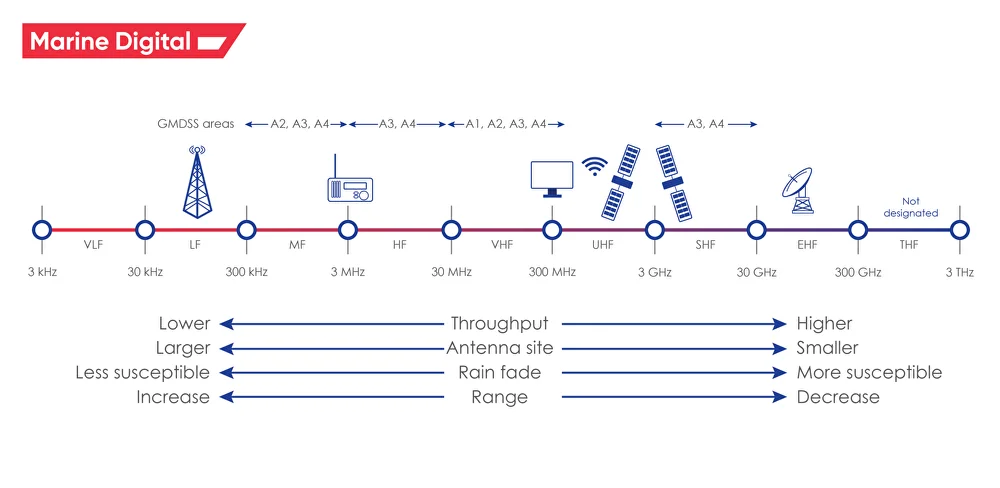
For worldwide operational prerequisites, the Global Maritime Distress Safety System (GMDSS) has isolated the world into four sub-zones. These are four geological divisions named as A1, A2, A3, and A4.

Maritime Communication

Diverse radio correspondence frameworks are required by the vessel to convey installed ships, contingent upon the zone of activity of that specific vessel.

A1 – It’s around 20-30 nautical miles from the coast, which is under the inclusion of in any event one VHF coast radio broadcast in which consistent DSC alarming is accessible. Hardware utilized: A VHF, a DSC, and a NAVTEX collector (a navigational message for accepting sea and meteorological data).

A2 – This region notionally should cover 400 nautical miles seaward however practically speaking, it reaches out up to 100 nautical miles seaward yet this ought to avoid A1 territories. Gear utilized: A DSC, and radiotelephone (MF radio range) in addition to the hardware required for A1 regions.

A3 – This is the zone barring the A1 and A2 territories. Yet, the inclusion is inside 70 degrees north and 70 degrees south scope and is inside INMARSAT geostationary satellite range, where consistent alarming is accessible. Gear utilized: A high-recurrence radio and additionally INMARSAT, an arrangement of accepting MSI (Maritime Safety Information) in addition to the next outstanding frameworks for A1 and A2 zones.

A4 – These are the zones outside ocean territories of A1, A2, and A3. These are basically the Polar Regions North and South of 70 degrees of scope. Gear utilized: HF radio assistance in addition to those required for different territories.

All seas are secured by HF marine correspondence administrations for which the IMO requires two coast stations for each sea locale. Today practically all boats are fitted with satellite terminals for Ship Security Alerts System (SSAS) and for long-extend recognizable proof and following according to SOLAS necessities.

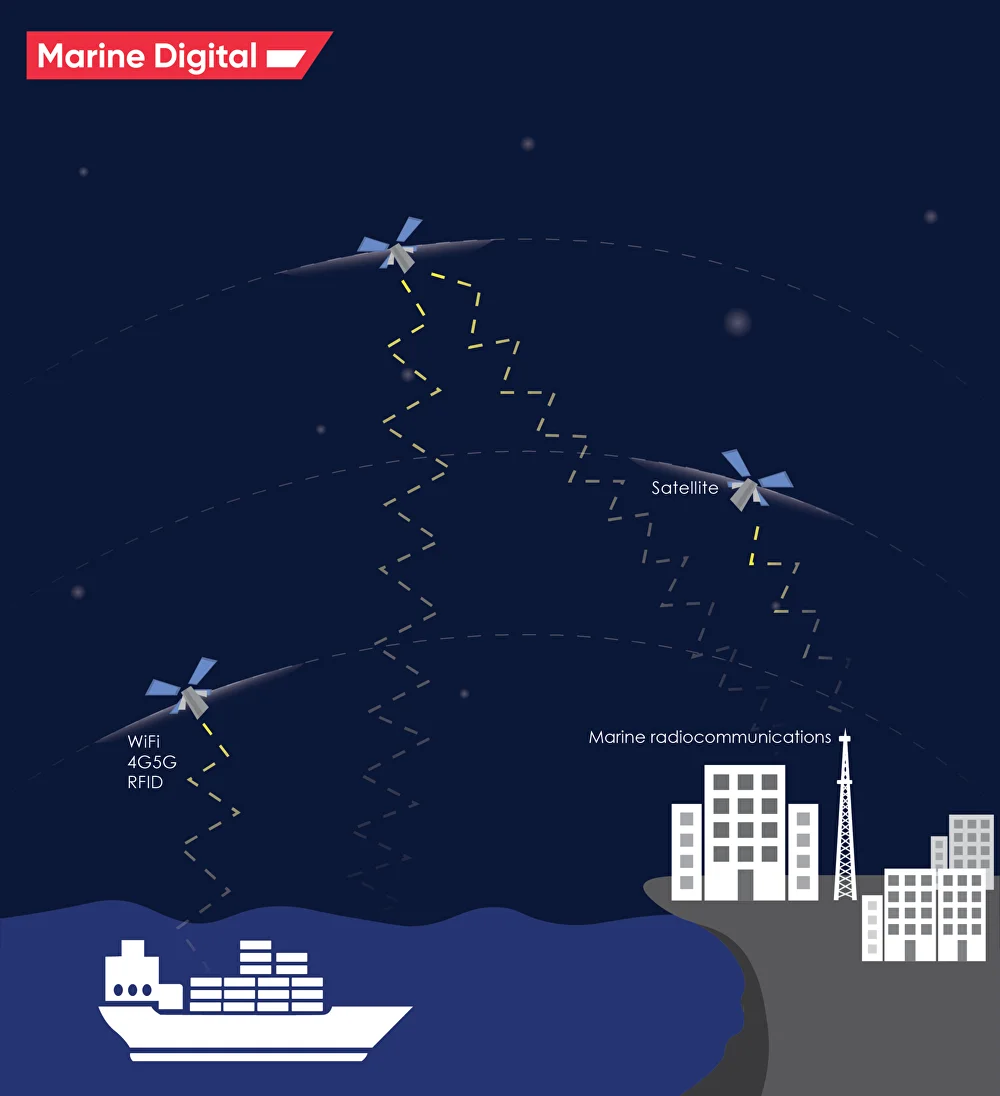
With the integration of 5G, WiFi and new generation satellites, as well as conventional marine radio communication networks, we will see transformation everywhere. Stakeholders will be able to monitor live audio and high definition (HD) or 3D video collected onboard. Radio-frequency identification (RFID) tags will support through-life asset management, including the tracking status of cargoes, as well as structural and machinery components. Crew will need to be trained to operate multiple communication tools. Evolution will take place in the workflow process. Physical onboard surveys will be replaced by remote monitoring. Regulatory compliance and enforcement will be achieved remotely without visiting the ship. Real-time decision-making in ship management and autonomous operation will become feasible. Emergency evacuation will be conducted more quickly and in a more transparent manner. Consumers will be able to track product supply chains from factories to retailers and scrutinise the shipping footprint along the journey. Meanwhile, we will see an improvement in the quality of interpersonal communication between ship and shore, as well as an improvement in the wellbeing of the crew.

Maritime Communication
We in Marine Digital have created a hardware solution that provides ship-to-shore communication, accumulates and transmits data for vessel performance monitoring and fuel optimization system (FOS) in real time at a constant level of communication. Marine Digital FOS can also collect data from a ship and periodically transmit data for processing in the cloud and presenting statistical and analytical data in a single interface, both for officers on the ship and for managers of a shipping company on the shore.
Source: marine-digital

e-Navigation is about using modern technology to promote maritime information sharing for the benefit of safety and efficiency. The goal is to create solutions making it possible to collect, optimise and screen information and to exchange information efficiently between ships.

International process – Danish strategy

The concept has been developed in recent ten years, and Denmark has been globally leading in the development via prototype tests and input for standardisation and regulation in international organisations such as the IMO and IALA.

e-Navigation Underway – annual conference taking the pulse of developments

Since 2011, the Danish Maritime Authority has, in January-February each year and in cooperation with IALA, organised the leading international conference e-Navigation Underway. The conference gathers 100-200 of the most important players from all over the world to take stock of developments and debate the way forward for e-Navigation.

Projects create results

For a number of years, the Danish Maritime Authority has cooperated with Danish maritime stakeholders on the political exchange of e-Navigation and, more specifically, been working with the development of efficient, user-friendly information exchange. This has had the form of prototype projects, such as EfficienSea 1MonaLisa 1 + 2 and ACCSEAS. The Danish contribution qualifies for the international process because we have been able to provide specific experience with examples of services and solutions. At the same time, the projects have enabled the Danish Maritime Authority to implement solutions to specific challenges at the pilot level such as ArcticWeb.

EfficienSea 2 – From prototype to implementation

In the period 2015-2018, the Danish Maritime Authority led a DKK 85 million EU project – EfficienSea 2 – with 32 partners, which had the ambition to develop a global, maritime communication framework – the Maritime Connectivity Platform – and make e-Navigation a reality for seafarers in the Baltic Sea and the Arctic. 13 Danish partners from the industry, research institutions and authorities took part in the project.​

Source: https:dma.dk


e-Navigation is perhaps the most controversial topic in the future technological direction of the shipping industry. It is being actively pursued by regulators and regional authorities with the EU taking a leading role.

Proponents and regulators alike see e-navigation as a universal force for good that will among other things; improve safety, protect environments and enhance the commercial operation of ships and ports.

Others view it with suspicion believing that there are ulterior motives behind its development and that there is little support for some of the declared aims of the various projects espousing it.

Before exploring the concept further, it is necessary to look at the developments that have taken place in navigating technology and regulatory moves over the last two decades.

Essential e-navigation equipment

Modern ships are obliged to carry an extensive array of navigation and control systems and equipment on the bridge most of which have evolved at different periods in time over the past 60-70 years. The most recent system to have been mandated under SOLAS is ECDIS but it will still be some time before all affected vessels are required to be equipped and there will also be a significant number of ‘smaller’ ships below 3,000gt that are not required to install an ECDIS.

As a consequence of the continual addition of new equipment, many ships have a bridge comprised of disparate stand-alone systems. On newer vessels it is possible to integrate systems so that two or more can share data or sensor input with most of the very latest vessels having integrated navigation systems (INS) or integrated bridge systems (IBS).

There is a deal of confusion over the difference between the two terms and many consider them interchangeable. The IMO however does have different definitions, an IBS is defined in Resolution MSC.64(67) and an INS in MSC.86(70).

Comparing the definitions shows that an INS is a combination of navigational data and systems interconnected to enhance safe and efficient movement of the ship, whereas IBS inter-connects various other systems to increase the efficiency in overall management of the ship. More specifically, the IMO definition of an IBS applies to a system performing two or more operations from:

  • passage execution;
  • communication;
  • machinery control;
  • Loading, discharging and cargo control and safety and security.

By contrast the IMO defines three versions of an INS with each ascending category also having to meet the requirements of lower categories:

  • INS(A), that as a minimum provide the information of position, speed, heading and time, each clearly marked with an indication of integrity.
  • INS(B), that automatically, continually and graphically indicates the ship’s position, speed and heading and, where available, depth in relation to the planned route as well as to known and detected hazards.
  • INS(C), that provides means to automatically control heading, track or speed and monitor the performance and status of these controls.

The two definitions do not have a common requirement as to the navigation element so it cannot be said that an IBS is an extended INS although many consider this to be the case.

The difference between the two is likely to disappear gradually as most shipowners are specifying high degrees of integration for new vessels in many cases going beyond that defined as an IBS. Both systems along with ECDIS are seen as being essential for the concept of e-navigation to be given a framework and direction.

Integrated systems and VDR have a common element in that both bring together data from disparate systems. In fact VDRs, as opposed to simplified versions (S-VDRs), were made more possible by integrated systems than perhaps any other development in navigation technology or regulation.

There is no doubt that there are significant advantages for navigators from integrated systems since it is possible to monitor and use all systems and instruments from a single work station. In addition, an integrated system with several work stations and screen confers a high degree of redundancy and system availability. The inclusion of ECDIS also permits passage planning and chart work to be done on the main bridge as opposed to in the chart room.

Every major navigation system provider offers an integrated system of some description as well as offering stand-alone systems. The systems are sold under brand names and include SAM Electronic’s NACOS, Kelvin Hughes’ Manta Bridge, Sperry Marine’s Vision Master, Raytheon Anschütz’ Synapsis and Kongsberg’s K-Master among many.

Defining e-navigation

Exactly what constitutes e-navigation is difficult to pin down. As far as the IMO is concerned it has its roots in the MSC(81) meeting in 2006 when a roadmap aiming for eventual implementation in 2013 was drawn up. By 2009 it had defined e-navigation as;

  • E-navigation is the harmonised collection, integration, exchange, presentation and analysis of marine information on board and ashore by electronic means to enhance berth to berth navigation and related services for safety and security at sea and protection of the marine environment.
  • E-navigation is intended to meet present and future user needs through harmonisation of marine navigation systems and supporting shore services.

Today the IMO is still discussing e-navigation with the latest developments described later in this chapter. However, the idea has much earlier roots and could be traced back to the EU ATOMOS project begun in 1992. ATOMOS was an acronym for Advanced Technology for Optimizing Manpower on Ships, and its goal was simply to find ways to reduce manning on EU ships as a means of making them more competitive.

At the time the EU felt that European shipping was losing out to Asian and Eastern European competitors who had lower wage costs and could therefore consistently undercut European operators. In the early 1990s it was wages and not fuel that constituted the greatest part of an owner’s outlay.

The summary document of the first ATOMOS project (there were to be at least three more stages) contained the following conclusion:

In terms of significance, many of the ATOMOS results should prove to be of substantial value. It is no secret that competition in the shipping industry is increasing day by day, with European shipowners being under constant pressure from third-world owners, or owners operating under third-world flags. The developments in the Soviet Union has not eased the situation for the EU fleet.

Much related to the issue of competition is the issue of maritime safety, however very often in reverse proportion. ATOMOS research has found that everything else equal, a low-manning ship equipped with ATOMOS technology is more competitive than a similar vessel equipped with conventional technology.

A further finding of research is that modern, low manned, high-tech ships are (at least) as safe as conventional ships. Many of the technologies looked into during the ATOMOS project shows great potential for an even further increase in maritime safety, an increase that could easily become mandatory, and an increase that might not be possible for vessels with conventional equipment.

Given the trends outlined very briefly above, and given any EU owner operating conventionally equipped vessels profitably today, the combined ATOMOS results indicates that competitiveness, safety and profits would increase by the utilisation of high-tech vessels.`

While it may not be recorded in the ATOMOS documents, there was a belief that the project could eventually lead to unmanned ships being operated remotely by shipping companies and shore traffic controllers Perhaps realising that such a scenario was not going to be an easy sell, the project morphed in to something less revolutionary and aimed more at safer shipping.

The first summary document contains hints at what the IMO would be asked to promote and which will be recognised as the core elements of e-navigation.

For example:- ‘the aim was to develop and integrate voyage planning, track planning and navigation tools such as electronic seacharts and situation analysis in order to minimize manpower needs and operator workloads in the ship control center. The direct consequence of the research was expected to provide means for optimized voyage plans with respect to economy and safety, taking account of fuel consumption, weather, wave data and other information. Further, the track planning part of the system was expected to increase safety by providing decision support during close encounters with other vessels, based on the international rules for collision avoidance’.

And ‘work was undertaken with the objective of examining current approaches to the integration of navigation, cargo handling and the control and monitoring of machinery to allow them to be performed, under normal operational conditions, by one man at a centralized ship control station. By considering factors such as ergonomic layout, man/machine interfaces and the optimization of operating procedures, the aim of the task was to produce guidelines for the safe and efficient implementation of centralized ship control stations’.

It is interesting to note that the idea of unmanned ships has not gone away and between 2012 and 2015 the EU funded the Maritime Unmanned Navigation through Intelligence in Networks (MUNIN) project which according to the official description had the specific tasks to:

  • Develop the technology concept needed to implement the autonomous and unmanned ship.
  • Develop the critical integration mechanisms, including the ICT architecture and the cooperative procedural specifications, which ensure that the technology works seamlessly enabling safe and efficient implementation of autonomy.
  • Verify and validate the concept through tests runs in a range of scenarios and critical situations
  • Document and show how this technology, together with new and more centralized operational principles gives direct benefits for non-autonomous ships, e.g., in reduced off-hire due to fewer unexpected technical problems etc.
  • Document how legislation and commercial contracts need to be changed to allow for autonomous and unmanned ships.
  • Provide an in-depth economic, safety and legal assessment showing how the MUNIN results will impact European shipping competitiveness and safety. Further MUNIN’s results will provide efficiency, safety and sustainability advantages for existing vessels in short term, without necessitating the use of autonomous ships. This includes e.g. environmental optimization, new maintenance and operational concepts as well as improved bridge applications.

It is clear that the EU is determined to follow through on the original intentions of the ATOMOS projects but there does not appear to be much international interest in the idea outside of Europe.

Even so, the IMO has added the concept of unmanned vessels to its safety agenda and at MSC 98 in June 2917 it considered a proposal on how IMO instruments might be revised to address the complex issue to ensure safe, secure and environmentally sound operation of Maritime Autonomous Surface Ships (MASS), including interactions with ports, pilotage, responses to incidents and marine pollution.

It was considered essential to maintain the reliability, robustness, resiliency and redundancy of underlying communications, software and engineering systems. As a starting point, MSC agreed to start a regulatory scoping exercise over the four sessions of the Committee, until 2020, which would take into account the different levels of automation, including semi-autonomous and unmanned ships.

In the summer of 2015 a new project was announced to be led by Rolls-Royce. The Advanced Autonomous Waterborne Applications Initiative will produce the specification and preliminary designs for the next generation of advanced ship solutions. The project is funded to the tune of some €6.6Mn by Tekes (Finnish Funding Agency for Technology and Innovation) and will bring together universities, ship designers, equipment manufacturers, and classification societies to explore the economic, social, legal, regulatory and technological factors which need to be addressed to make autonomous ships a reality. The project will run until the end of 2017 and it aims are to pave the way for solutions – designed to validate the project’s research.

A separate project involving Kongsberg is also to begin in 2017 off the Norwegian coast. Although an autonomous ship is already technically feasible, their use would not currently be permitted for anything but domestic operation and even then there would likely be problems with commercial support.

Implementing e-navigation

At NAV 59 in September 2013 the IMO re-established a Correspondence Group on e-navigation under the coordination of Norway. The group included many flag states and industry bodies along with organisations such as the IHO and IMSO. The terms of reference of the group for those interested in further research are set out in document NAV 59/20, paragraph 6.37.
The Correspondence Group completed a report in March2014 which was discussed at the inaugural meeting of the IMO’s Sub-Committee on Navigation, Communications and Search and Rescue (NCSR) in July 2014 and passed to the MSC meeting in November 2014.

The report contained an e-navigation Strategy Implementation Plan (SIP) which can be accessed at the Norwegian Coast Guard website. The SIP sets up a list of tasks and specific timelines for the implementation of ‘prioritised e-navigation solutions’ during the period 2015-2019. Several ‘solutions’ are included in the SIP of which five have been prioritised.

Using the numbering given in the plan, the five prioritised solutions are:-

  • S1: improved, harmonized and user friendly bridge design;
  • S2: means for standardized and automated reporting;
  • S3: improved reliability, resilience and integrity of bridge • equipment and navigation information;
  • S4: integration and presentation of available information in graphical displays received via communications equipment; and
  • S9: improved communication of VTS Service Portfolio.`

Apparently S1, S3 and S4 address the equipment and its use on the ship, while S2 and S9 address improved communications between ships and ship to shore and shore to ship.

It is quite possible that the SIP will be revised over time but its existence now provides a structural framework in which further developments are likely to take place and also gives those involved in developing and using the technology needed to realise e-navigation further information to work with.

It could be argued that as long as all developments are related to the ship’s equipment, e-navigation is little more than the development of standards and integration of equipment that operates just as well on a standalone basis. This is a valid argument because even though ships above a certain gross tonnage will all be required to be fitted with an operational ECDIS meeting current requirements, there is in fact no obligation upon the ship’s officers to use it for navigation unless a flag state or the ship’s owners says otherwise.

However, point S9 of the SIP mentioned above would suggest that more control over vessel traffic management will be possible if ports and regional authorities wish to invest in appropriate equipment. Real time information on water depths, currents, wind and weather coupled with programmed vessel movements will potentially allow for more efficient traffic control and improved safety.

As things stand, ships – whether they are using ECDIS or not – must rely on data that is fixed either electronically in the ENC or in tide tables and printed publications. Despite ENCs being a recent development, in some cases the data used in their production may be many years old. The only dynamic data that is available is the wind speed and direction as recorded
on the ship’s instruments and water depth directly under the vessel. In situations where wind and tide are in conflict, expected water depths may not be made and the potential for grounding is very real.

In a port equipped with tidal gauges and buoys feeding real time data from sensors at appropriate locations, ships could be provided with far more accurate information that could be used to improve both efficiency and saving. Whether ports or other authorities will be prepared to invest in the equipment and systems needed to make e-navigation worthwhile will depend upon several factors. In many countries, the cost could be beyond the resources of the authorities and in some ports the level of traffic may not warrant any outlay.

At MSC95 in July 2015 it was decided that further work should be carried out on e-navigation with any likely developments coming in 2017 at the earliest. In particular the meeting approved the document Guideline on Software Quality Assurance and Human-Centred Design for e-navigation which has been issued as MSC.1/Circ.1512. Other work related to e-navigation put in train at MSC95 includes:

  • Revised performance standards for Integrated Navigation Systems (INS) – it was agreed to review resolution MSC.252(83) relating to the harmonization of bridge design and display information. The MSC agreed to include this output in the 2016-2017 biennial agenda of the NCSR and in the provisional agenda for NCSR 3 with a target completion year of 2017;
  • Guidelines and criteria for ship reporting systems – it was agreed to review resolution MSC.43(64), as amended, relating to standardization and harmonized electronic ship reporting and automated collection of on-board data for reporting. The MSC agreed to include this output in the 2016-2017 biennial agenda of the NCSR and provisional agenda for NCSR 3 with a target completion year 2017;
  • General requirements for ship-borne radio equipment forming part of the GMDSS and for electronic navigational aids – it was agreed to revise Resolution A.694(17) relating to Built In Integrity Testing (BIIT) for navigation equipment. The MSC agreed to include this output in the post-biennial agenda (2018-2019) of the MSC with NCSR assigned as the coordinating body; and
  • Guidelines for the harmonized display of navigation information received via communications equipment – it was agreed to include this output in the 2016-2017 biennial agenda for the NCSR and the provisional agenda for NCSR 3 with a target completion year of 2017.`

The second of the above items has been given high priority by several parties because it is aimed at relieving the burden on ships officers of completing customs, immigration and other forms and providing information on cargo manifests and hazardous cargo.

That must be a puzzling development to many port agents who routinely compile that information well in advance of a vessel’s arrival and merely require the addition of a signature and ships stamp on arrival. The signing and stamping of documents usually takes just a few moments during the agent’s visit which will still be necessary to deliver cash, spares, mail etc.

What does the IMO say about e-Navigation?

The IMO’s concept of e-navigation is not shared by all and interest in independent navigational Apps for mobile computing systems is growing among shipowners and other shipping bodies. Whether this is a trend that will continue is debatable. Some of the Apps do appear to have attracted devotees but unless there is a regulation that mandates the use of any Apps, the fact that they will not be universally adopted means that they could adversely affect safety under many circumstances.

It has been suggested that e-navigation would reduce the cost of maintaining existing aids to navigation. The argument for this is hard to justify because it would seem to imply that buoys and lights could be abandoned. Although that would be possible with the aids to navigation becoming merely items of data in an ENC, the consequences of a failure of satellite positioning systems or the onboard ECDIS would effectively leave the crew of a ship underway in restricted waters blind to all hazards and with no way of avoiding them short of their own experience and knowledge.

Just as with the use of existing navigational aids in the days before they were mandated, few can doubt that Apps will inevitably find their way on the bridges of some vessels. Their use restricted to the navigators’ own ships will not necessarily be contentious unless an incident results but where Apps are designed to interact with other ships the question of safety is paramount.

There are a very small number of Apps either in use of under development designed to be interactive with other ships. Some have even suggested that such apps could make ColRegs redundant as ships’ systems will be able to calculate and carry out appropriate manoeuvres. Such a use would almost certainly be resisted by navigators and regulators
alike because the manoeuvres chosen would not be predictable or even understandable to other vessels nearby that were not under the control of a similar App.

Whatever direction e-navigation does take, one thing that is certain is that national governments and bodies such as the IMO can only regulate for systems that are available and few national governments are in the position to invest much in the way of financial resources.

Source: shipinsight

Pre-vetting Inspection For Oil, Chemical and Gas ships – In today’s environment of high safety standards and competitive advantage, Oil Major approvals for the vessels have become a necessity much more than anything voluntary. Lack of sufficient approvals from Oil, Chemical and Gas Companies can mean life and death for a tanker Operator in terms of availability of business. Our inspectors, who themselves are accredited vetting inspectors carry out thorough inspections on the lines of SIRE,CDI, RIGHTSHIP & OVID, to appraise you about the current compliances of the vessel for these programmes. We can help you fill the gaps and assist the ship’s staff in preparing the vessel for the most stringent inspections. Our approach is to develop a customized service with the client that encompasses their specific needs for a certain type of vessel or operation on the basis of the outcomes of a risk assessment. We use the experience of our work in damage and incident investigations in order to allow clients to focus on those items which present the highest risk of failure.
Our services include:

  • Writing specific audit programmes
  • Review of procedures
  • Ship vetting services from desktop analyses to onboard inspection
  • Onboard audits (global service)
  • Data collection and trend analyses

Source: marine-safety


The Idemitsu Ship Vetting Service was set up on 1st October 1993 in Idemitsu Tanker Co.,Ltd.

The our system is supported not only by the vetting companies such major oil companies but also other technical/marine-technical staff of the company, persons in charge of oil trading of Idemitsu group, Berth Masters of refineries and complexes, and Idemitsu SIRE inspectors in Japan and several foreign countries. “Ship Vetting & Inspection Service Office” (Hereinafter referred to as “Idemitsu Ship Vetting Service”) is managing this whole system as the center of control.

Vetting Policy

The following ocean going tankers (oil/chemical/LPG) are checked by the “Idemitsu Ship Vetting Service” every time they are nominated for Idemitsu business:

  • The vessel which will be chartered by Idemitsu Group
  • The vessel which will call at Idemitsu Group terminal(s), complex(es), and oil depot
  • The vessel which will carry Idemitsu Group cargo(es)


Idemitsu Vetting

Criterion for judgment is made based upon internal vetting criteria of Idemitsu, taking account of all available information including SIRE inspection reports (of Idemitsu Tanker or other OCIMF SIRE submitting members), terminal feedback, Port State Control information and owner’s/operator’s assessment. Ship’s physical conditions (ship’s age, SDWT, mooring facilities, parallel body length, etc.) are also taken into consideration.

The system attaches much importance to Idemitsu inspections. It is carried out by Idemitsu’s experienced inspectors and obtain extra information such as detailed comments and evaluation, that are not seen in SIRE reports, However, Idemitsu recognizes that the membership’s mutual trust in SIRE reports is also necessary to avoid unreasonable overlap of inspections.

SIRE reports are treated as one of the most important basis of judgement in the Idemitsu Vetting.

The final vetting decisions are made by “Idemitsu Ship Vetting Service”. However, the following vessels are left out from its consideration unconditionally:

  1. The vessel that has deficiencies noted in ship inspection report(s) of Idemitsu or other SIRE member(s) with no comments of owner / operator of them.
  2. The vessel that has deficiencies pointed out by the Berth Master(s) of Idemitsu terminal(s) in writing, directly to the vessel or sometimes by way of “Idemitsu Ship Vetting Service” to owner/operator, and no information of rectification has been provided by owner/operator to Idemitsu.

Source: idemitsu


By Ira Breskin – A tanker charterer should carefully vet a nominated vessel by conducting prudent risk assessments to reduce liability.

In fact, it is incumbent on the charterer to do a thorough job vetting tank vessels in order to minimize, and ideally avoid, subsequent operational problems and resultant cargo claims, said Brendan Hoffman, CEO of Haugen Consulting in Houston. Hoffman this week offered his insight during an on-line Introduction to Tanker Operations seminar.
The seminal checklist for charterers is included in Standard Chartering Questionnaire 88 published by the International Association of Independent Tanker owners, Hoffman said. Ship owners should complete the seven-page, single-spaced form that details the ship’s particulars, the vessel’s recent inspection and crew experience.

The International Association of Independent Tanker Owners, which excludes owners whose ships are controlled by oil companies or government entities, drafted the form. INTERTANKO members control chemical, gas and oil tankers.

In turn, INTERTANKO works closely with the Oil Companies International Marine Forum, the oil industry’s marine safety body.

Among the specific items a charterer should review are the three previous cargoes carried by the nominated vessel in order to ensure cleanliness of its cargo tanks and pumps. The reason: presence of even a modest amount of residue can contaminate the next cargo, Hoffman said.

“It is the charterer’s obligation to accept a vessel suitable for the cargo requirements,” Hoffman said.

Vetting is especially important when chartering a parcel or chemical tanker that can carry discrete cargoes in many of its 54 tanks, each shipment often governed by a separate charter party. Such vetting is crucial because serious accidents can result if incompatible cargoes are improperly segregated.

The charter also should review the ship’s particulars to ensure that the vessel can load and discharge at the assigned berth. Other important measurements to review are the Keel to Mast (KTM) distance; air draft; vessel draft, bow to center manifold length and two discrete manifold-related clearances: from the manifold to the ballast water line as well as from the manifold to the loaded water line.

Also subject to review are the design of vessel piping, more specifically the layout and operation of dedicated lines and the manifold for each storage tank. Finally, the charter should ascertain the efficiency of Crude Oil Wash and cargo stripping systems.

Source: gcaptain


For vetting, it means a visit fitness of a ship, able to acquire accurate information on safety and quality of ships inspected.

The main purpose of an inspection Vetting, is to determine the technical suitability of all vessels proposed to be hired directly by a company to its assets and / or any other third party involved with the company in question for the transport and / or dealing in crude oil and products carried in bulk, so as to be in line with the marine safety criteria and with the Vetting policy of that particular company, the criteria approved by the Board of Directors in order to mitigate and control the possible all the risks associated with that type of activity (pollution, explosions and various accidents) and then know if a carrier, which is proposed rental, fulfills the quality and performance standards.

In this regard, the vetting activities is absolutely necessary to prevent major damage possibly resulting from the events listed above (pollution, explosions, accidents, death) that can occur under the responsibility of the company.

Oil & Bulk has a long experience in vetting inspections, while also offering a high quality coverage across the world with an accredited inspectors teams based in 5 continents and coordinated from our office in Genoa.
Our vetting department (technical, operational, accounting personnel) is available 24 hours a day and 7 days on 7 in order to give an ‘immediate response to any request.
Upon receipt of the nomination by ‘owner, our operating structure is able to respond quickly with the acceptance, while also providing real-time the name of the inspector.
Oil & Bulk has a constantly updated database with the list of the “vettare” ships in the month with its inspectors who will carry out the vetting, so keep up to date the position of the inspectors themselves.
Our technical department provides to all customers who decide to make use of vetting inspections, precise control and an assessment of each report before it is loaded in the Sire system, in order to avoid any type of error and / or inattention.
Oil & Bulk is solely responsible for the quality of the activities, monitors the personnel involved with periodic checks and is responsible for updating the same personal safety, by means of a continuing training program which ensures that the inspectors They are educated about the updates in technology and on all the rules / regulations.
Inspectors who work with us, are inspectors OCIMF Category 1, accredited to ILO / CHEM / GAS (A multiple accreditation is certainly preferable) and as well as being people morally sound, have a good knowledge of both the English language and technical terms maritime, is a very good knowledge and familiarity with international rules, codes, conventions and procedures.

Source: oilandbulk


For years worries about a potential second Cold War between the United States and China have swirled within discussions on the Asia-Pacific. For a while these proclamations seemed overblown, seemingly more the fever dreams of Cold Warriors hoping for a new adversary. But in the last few years it seems these concerns are finally coming true as tensions between the two nations have increased dramatically. While it is still possible that relations between the United States and China could improve and tensions may fall, various regional states are preparing for a new era of great power competition in the Indo-Pacific.

In this new world of enhanced competition between the United States and China, no nation has more reason to be concerned than the island nation of Taiwan. Claimed by China, and largely protected by the United States, Taiwan cannot avoid being drawn into the competition. Because of its unsettled political status, Taiwan could easily become a flashpoint between the two powers. Tensions have risen across the strait recently and it remains to be seen how much more it would take for them to boil over. For this reason, a rise in great power competition will signal a precarious time for Taiwan, where its independence will be threatened more severely than perhaps ever before.

In the naval realm, this has resulted in a shift in how the Republic of China Navy (ROCN) is composed and deployed. A focus on asymmetric warfare has become the mainstay of ROCN defensive plans, with major surface ships becoming much less important for Taiwan’s seaborne defense. Likewise, a new emphasis on integration with the United States and its allies has become more important and has allowed for a new use for Taiwan’s surface fleet.

A Shifting Doctrine

Taiwan’s defense doctrine has had to undergo shifts in recent years. Until recently the ability of China to existentially threaten the island nation was negligible. Taiwan could be confident it could repel a major Chinese attack with the backing of the United States. The Third Taiwan Strait Crisis of 1995-1996 demonstrated the inability of the People’s Liberation Army (PLA) to deter the United States Navy from sailing through the Strait, and a significant American show of force was enough to dissuade the Chinese.

While the crisis demonstrated Taiwanese safety from the mainland, it sowed the seeds of the current climate. It prompted the PLA to undertake wide-reaching reforms and modernization which allowed the People’s Liberation Army Navy (PLAN) to become larger and more advanced, which has significantly changed the balance of power in the Taiwan Strait as the PLAN now dwarfs the ROCN. This has driven a shift toward a strategy of asymmetric warfare to harass and chip away at the PLAN in the event of war with the goal of inflicting mounting casualties and ideally preventing an invasion fleet from crossing the strait.

Taiwan’s most recent defense plan, the Overall Defense Concept, lays out the concept of asymmetric warfare. The plan calls for a two-phase system to defeat China. Phase one involves harassing a Chinese invasion fleet and weakening it before it hits the beaches. The second phase calls for the invasion to be annihilated as Chinese soldiers wade ashore on Taiwan. This change calls for assets to be lighter and more survivable than what Taiwan has traditionally relied on.

The adoption of this strategy has led the ROCN to recently purchase systems specifically for this task and to focus exclusively on this mission. This meant acquiring small, cheap, and asymmetric assets that can harass the PLAN as it attempts to cross the strait. The Taiwanese Navy has invested in minelayers that will quickly litter the seas with mines to slow down the invasion fleet. Diesel-powered submarines will prowl the Taiwan Strait, a body of water uniquely suited for submarine warfare, looking for Chinese vessels to pick off. Fast attack boats armed with anti-ship missiles will also harass the incoming fleet and wreck havoc on the landing ships crossing the strait.

However, as Taiwan procures new force structure to pursue these operating concepts, there still remains the question of how its older force structure will figure into the equation.

The Surface Fleet: Holdover or Essential?

Despite seemingly not fitting into its latest doctrine, the Taiwanese Navy maintains a number of large surface ships, and is continuing to construct or purchase more. In the event of war, these ships would likely either be sunk quickly or would be forced to flee Taiwanese waters, perhaps taking shelter at American or allied ports. Plans for the ships to regroup to wreak havoc during a PLA landing are highly optimistic, and even if successful, would still not be an ideal role. If these ships are so ill-suited for high-end warfighting only miles away from the Chinese coast then why spend valuable resources on them?

This shift to asymmetric warfare is well-suited when it comes to preventing an invasion, but offers little for patrolling Taiwan’s territorial waters or exerting power at any significant distance from Taiwan’s shores. For this, Taiwan relies on its surface fleet, made up of four destroyers and 22 frigates. Although the Chinese threat is primarily depicted as a naval invasion, Beijing could take other actions to subjugate or pressure Taiwan. In particular, a naval blockade or more distant naval skirmishes could be options. In this case, the surface fleet with its range would be invaluable. Likewise, in normal times, Taiwan’s surface ships provide security in the island’s territorial waters, a task that small missile boats and minelayers cannot perform well.

The surface fleet also serves to lend a level of prestige to Taiwan, which helps explain the Taiwanese government’s continued buildup of it. While an asymmetrical fleet is more efficient for protecting Taiwan, switching over to an entirely asymmetrical fleet focused on littoral warfare would signify a degradation of Taiwan’s power and prestige via-a-vis mainland China. This would only serve to enhance mainland China’s diminishment of Taiwan, allowing China to more effectively portray the island not as a sovereign nation but as a rebellious province.

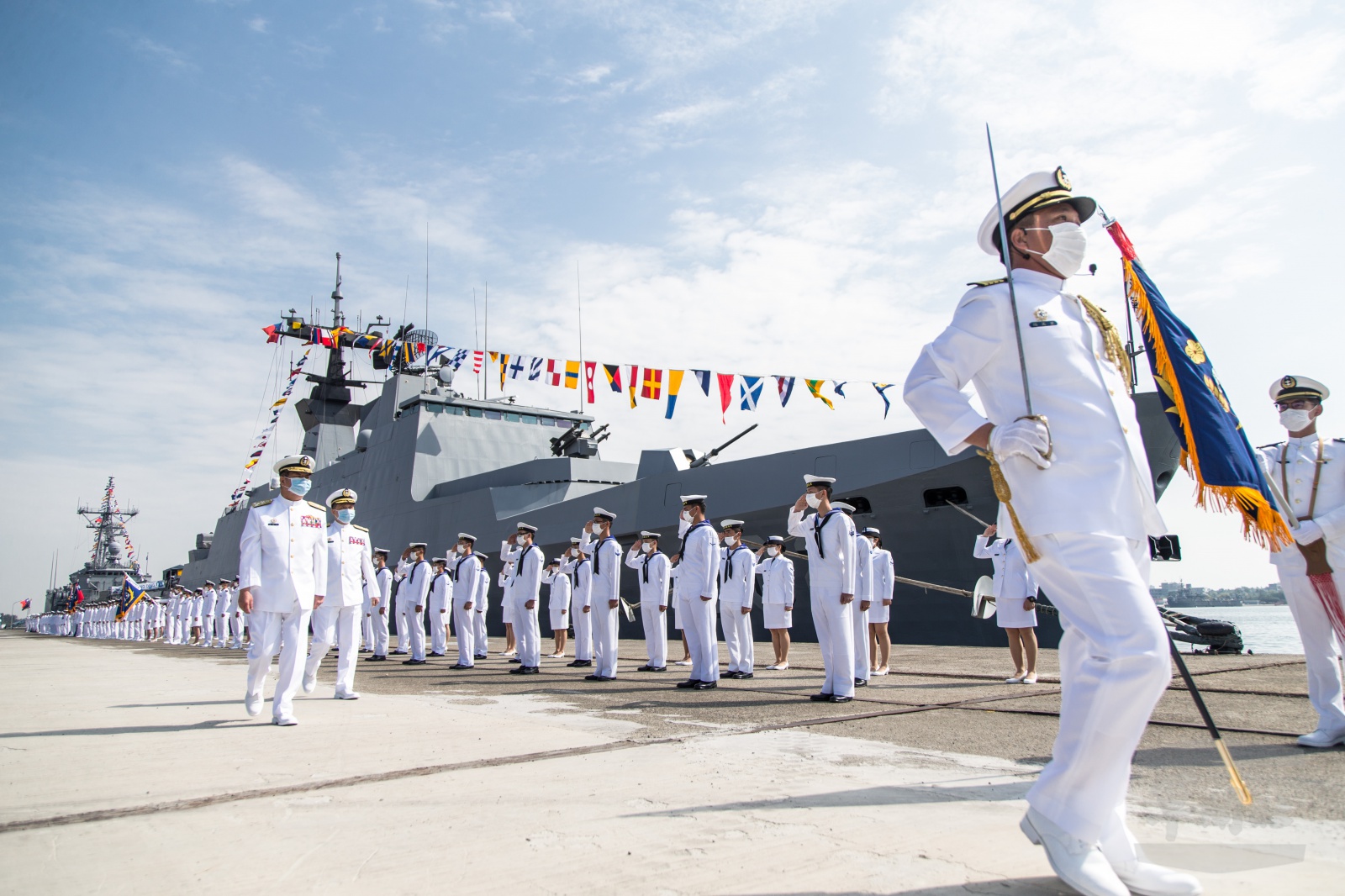
The Taiwan Navy’s ‘Friendly Fleet’ is welcomed home at Zoying Naval Base in Kaohsiung, southern Taiwan, on April 15, 2020. (Photo via South China Morning Post)

Finally, the surface fleet can conduct goodwill tours to bolster Taiwan’s international profile. Taiwan’s dwindling amount of official relations still play an important role in legitimizing the nation against China’s claims of its status. By paying visits to overseas nations the ROCN is able to make diplomatic efforts that can have positive effects on these countries’ relations with Taiwan.

The United States: An Indispensable Ally 

Both the Obama and Trump administrations have pushed traditional allies of the U.S. to spend more on defense so as to shoulder their fair share of the burden, and this focus on burden-sharing has upset some of America’s traditional allies. But unlike Germany or Japan, Taiwan is far more reliant on the United States for its survival. The threat of American intervention is perhaps the only truly credible deterrent that could foreclose the PRC’s military options against Taiwan. As such, Taiwan can at times be portrayed as a burden for the United States, and there is worry that Taiwan’s future could be a bargaining chip in a grand settlement between the two powers.

Since relations between the United States and China began to deteriorate, Taiwan’s importance has increased. It is now being recognized as an especially important bulwark in the First Island Chain that prevents unrestricted access to the Pacific Ocean for the Chinese Navy. But due to its lack of official relations or a guarantee stronger than the ambiguously worded Taiwan Relations Act, the island nation’s security has not meaningfully increased. In fact, due to the increased tensions, Taiwan is at a greater risk of conflict than before.

Taiwan’s surface fleet thus serves the important role of garnering American support. By being able to contribute to missions far from Taiwan’s shore, such as maritime security missions and cooperative exercises, these surface ships can contribute to some forms of burden sharing with the United States and demonstrate Taiwan’s value as an ally.

The surface fleet also provides the only area where the ROCN can integrate with the United States Navy (USN) in any real capacity. The United States has not operated diesel submarines since the 1950s and mine-laying and sweeping are not emphasized in the U.S. Navy. Fast attack craft with long-range anti-ship missiles are not utilized in any way by the U.S. Navy. This lack of interoperability is a constant headache for the ROCN as well as the other branches of the Taiwanese military. This may be changing though, as Taiwan has begun to ramp up work on its domestic arms industry. After almost two decades of trying to purchase new diesel submarines, Taiwan has begun construction of its own. Likewise, the island has made great strides in developing domestic anti-ship missiles, which will be used by both the Army and Navy.

Ultimately, Taiwan’s surface fleet can do more to protect Taiwan by assisting and cooperating with the United States than it does by lying in wait for a Chinese invasion force to materialize. By integrating itself into U.S.-led alliance and partnership structures, Taiwan can come to be seen as more than just a burden for the United States. The ROCN has also increased its connections to U.S. allies, most notably Australia and Japan. Like with the United States, the more that Taiwan can make itself a helpful ally, the more it will be seen as indispensable in the region.

Conclusion 

In this new era of great power competition the ROCN is designed to maximize utility with a small budget while facing a much wealthier and larger adversary. The small surface fleet patrols and guards the island’s territorial waters, while the anti-invasion force is designed to ensure that the PLA will not be able to land troops on the beach without paying a heavy toll.

The future of the ROCN is likely one of further bifurcation, with the anti-invasion fleet continuing to dwarf the surface fleet. Pursuant to its hedgehog strategy, the ROCN will concentrate on raising the cost of conflict with China in the years to come in an attempt to prevent Chinese aggression, while the surface fleet will conduct goodwill tours and conduct joint operations with allies to build relationships and raise Taiwan’s image abroad.

Ultimately, it will be the United States that will keep China at bay. The power discrepancy between Taiwan and the mainland has grown too great for Taiwan alone to deter China for much longer. While China likely cannot successfully conduct an invasion of the island just yet, it will not be long until it is capable. The continued freedom of the island lies with its friends and allies. It is only through alliances with the United States and other like-minded Pacific nations that Taiwan can hope to continue to prevent a Chinese invasion.

Some claim that Taiwan’s naval defense strategy doesn’t make sense. While the navy is not singularly designed to repel an invasion, it is still designed with a coherent strategy in mind, one that promises to be more effective at protecting the island than the strategy the navy’s critics insist on. While a purely asymmetric fleet would bring better bang for Taiwan’s buck, this fleet would serve to shrink Taiwan’s international profile and reinforce the idea that Taiwan is wholly dependent on the United States.

Taiwan may come to see this new era of great power competition as a blessing in disguise. Ten years ago, one view saw Taiwan merely as an irritant to better relations with China. This argument was made fairly often, and called for a grand bargain with China that would see the United States relinquish its security commitments to Taiwan in exchange for better relations with China. Today such talk is almost unheard of. With the threat of great power competition rising anew, Taiwan is now seen as an important bulwark in the competition with China, and Taiwan is doing its part to rise to that role. The ROCN is preparing for an era of intense competition and has set out policies to keep Taiwan safe during this turbulent era.

Jonathan Selling is a graduate of Boston University’s Frederick S. Pardee School of Global Studies with an MA International Affairs. His primary research interests are the rise of great powers and American alliances in the Indo-Pacific.
Source: cimsec


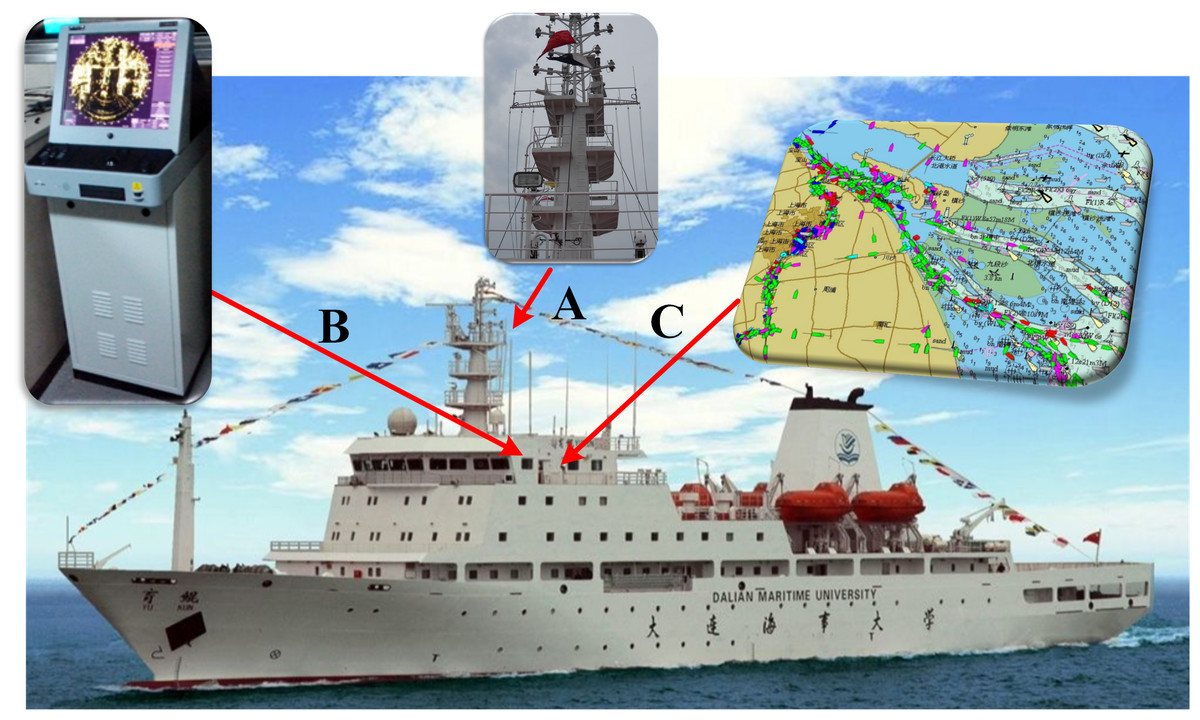
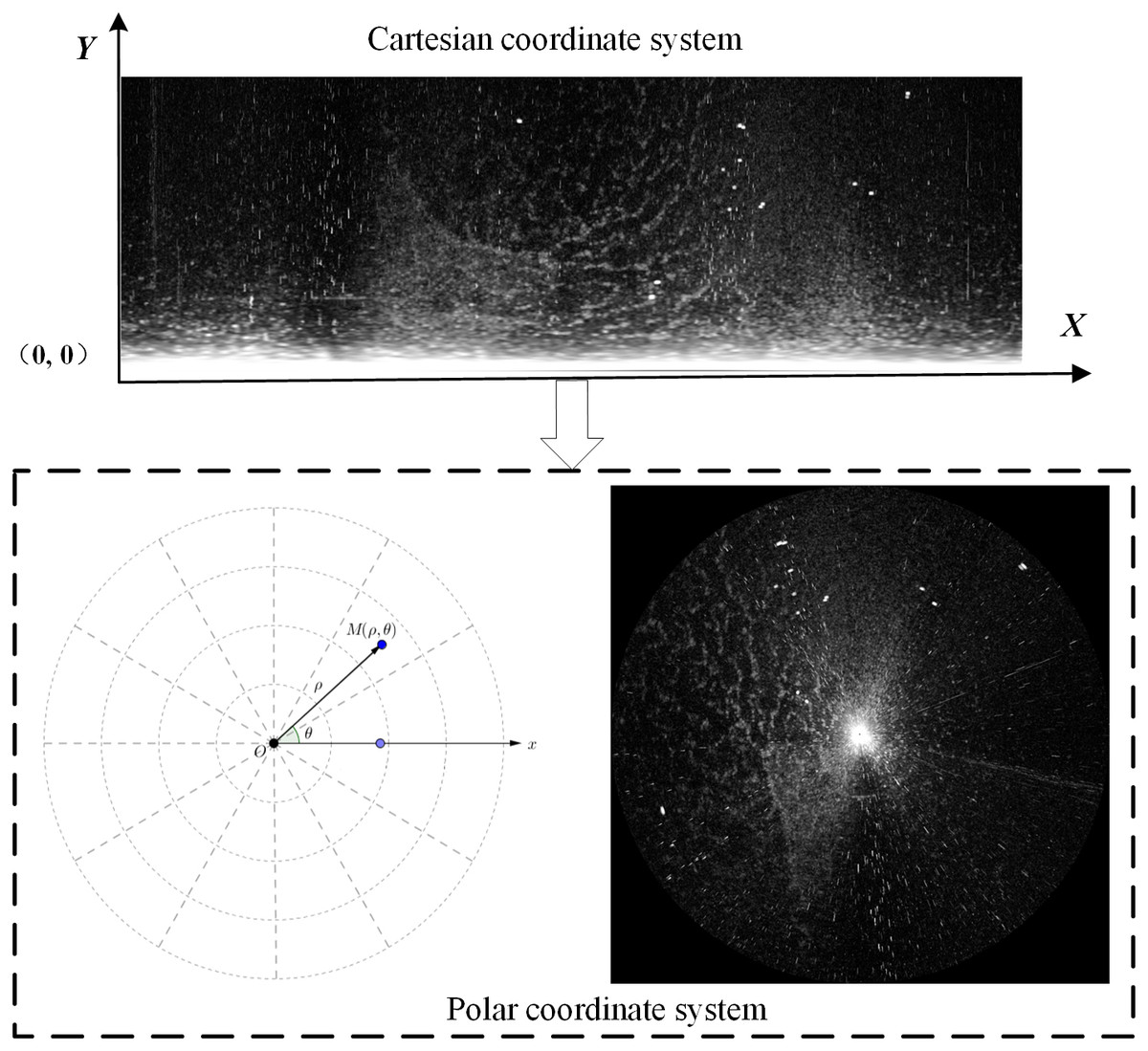
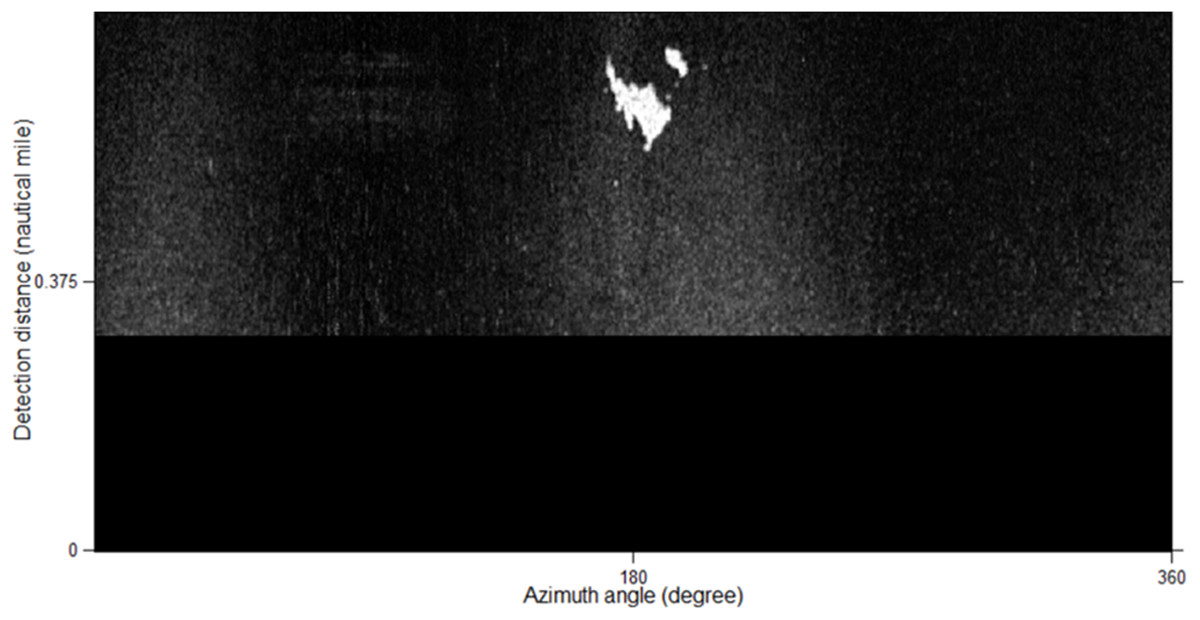
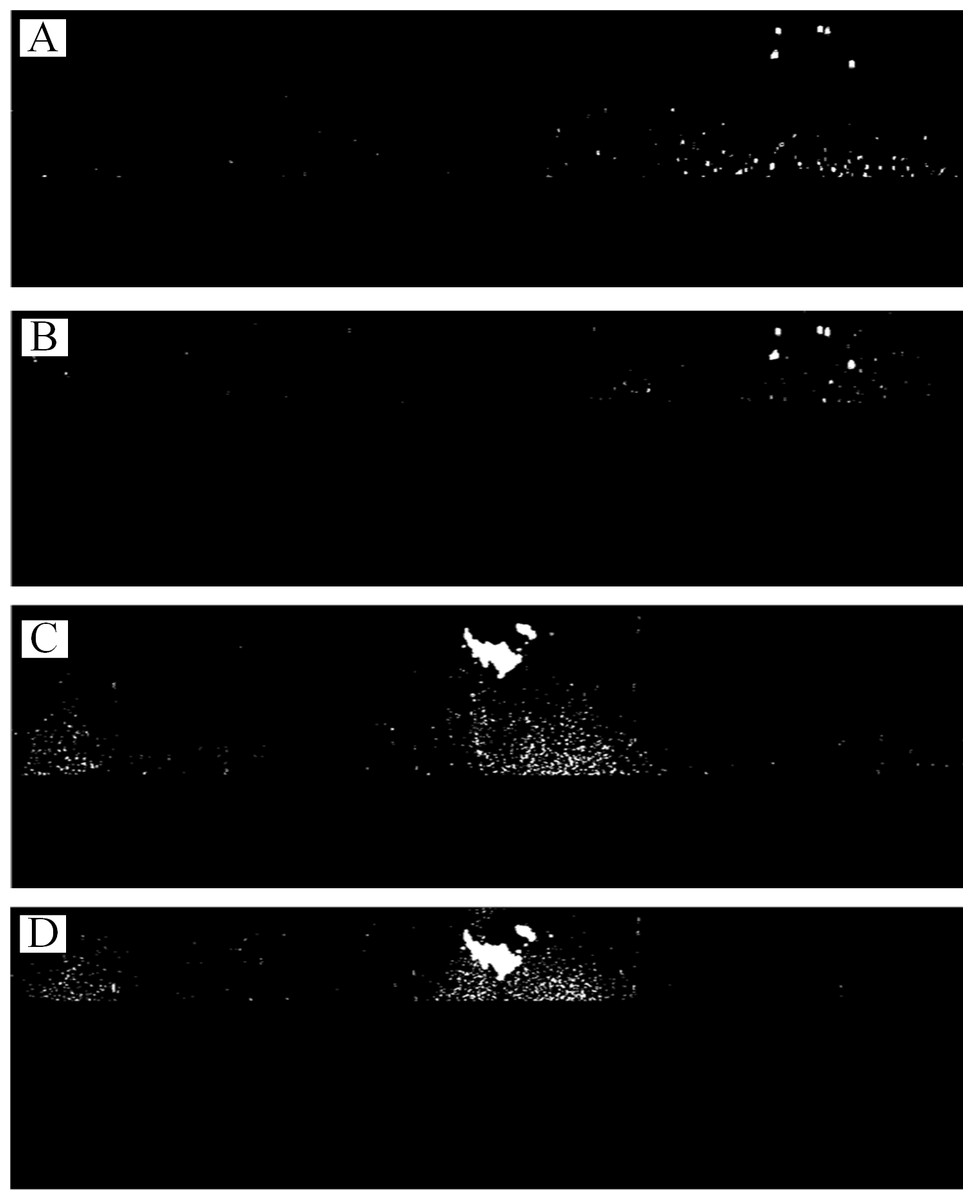
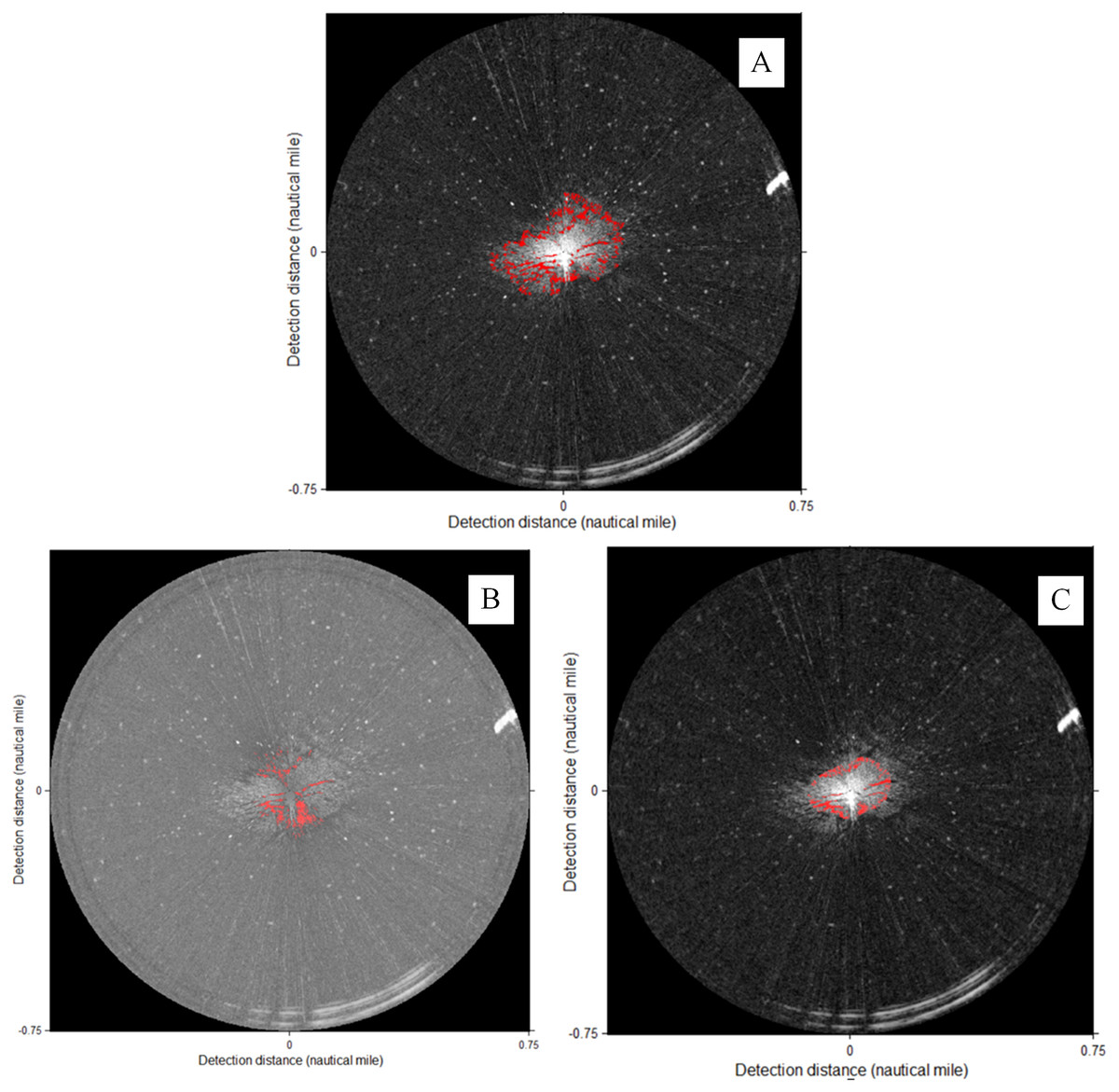
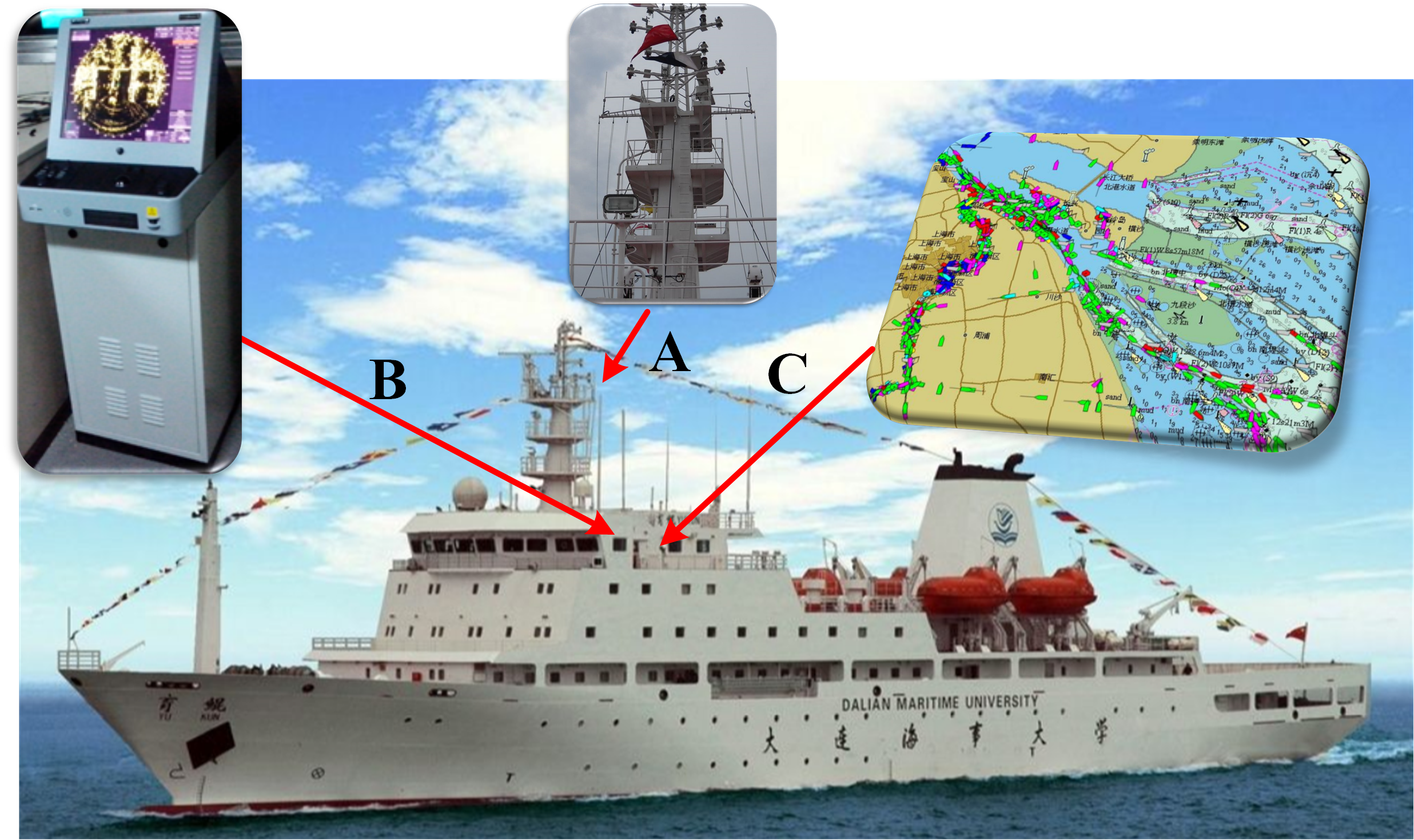
Materials & Preprocessing Methods

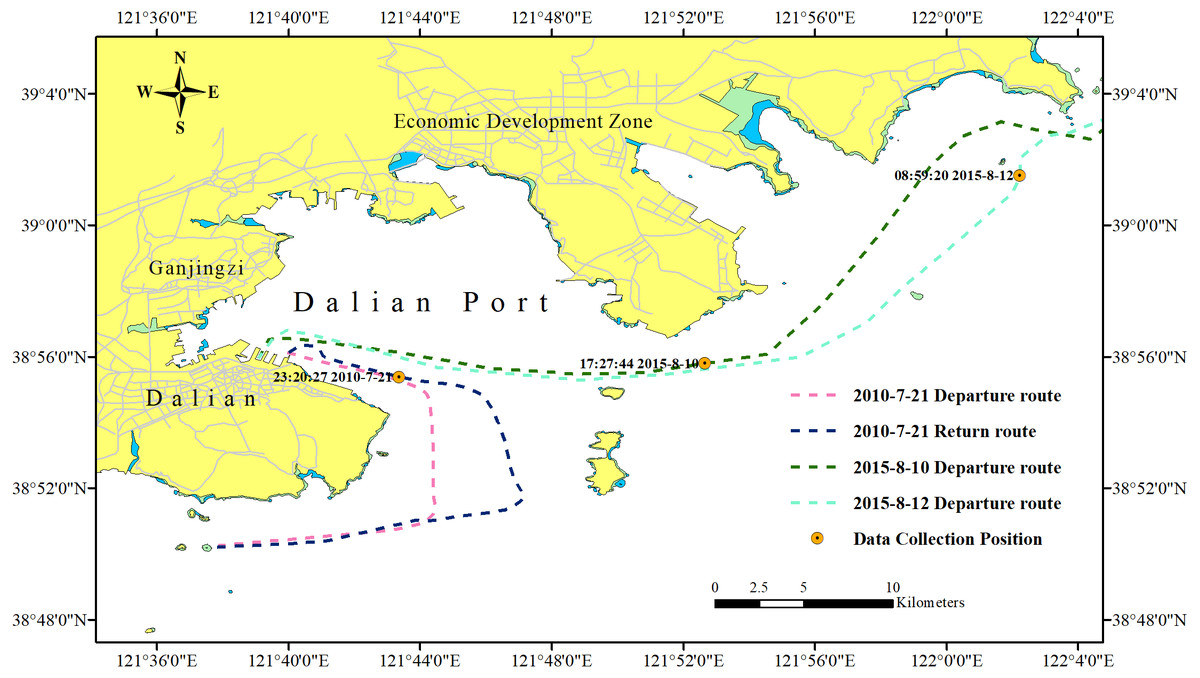
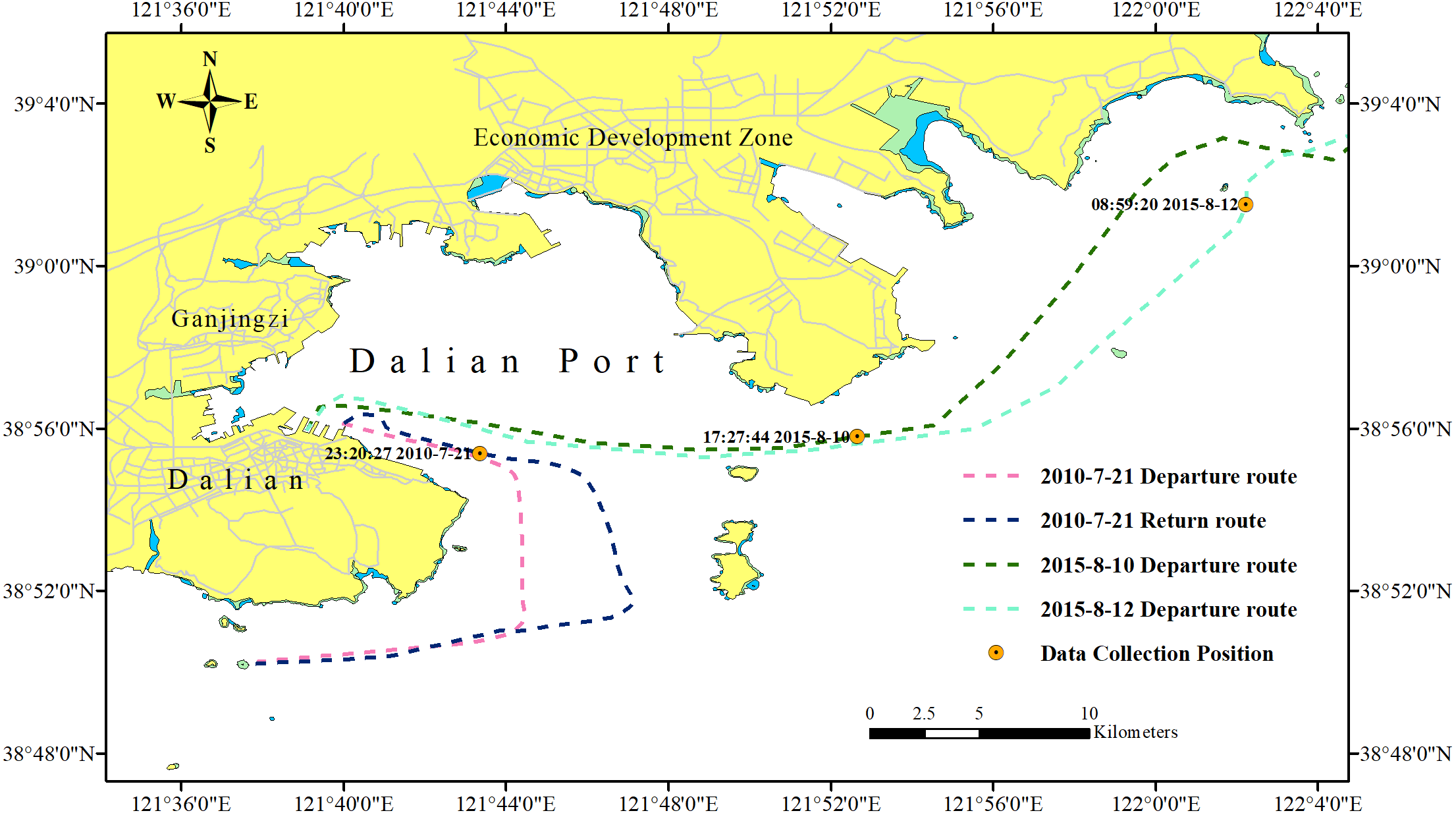
Materials

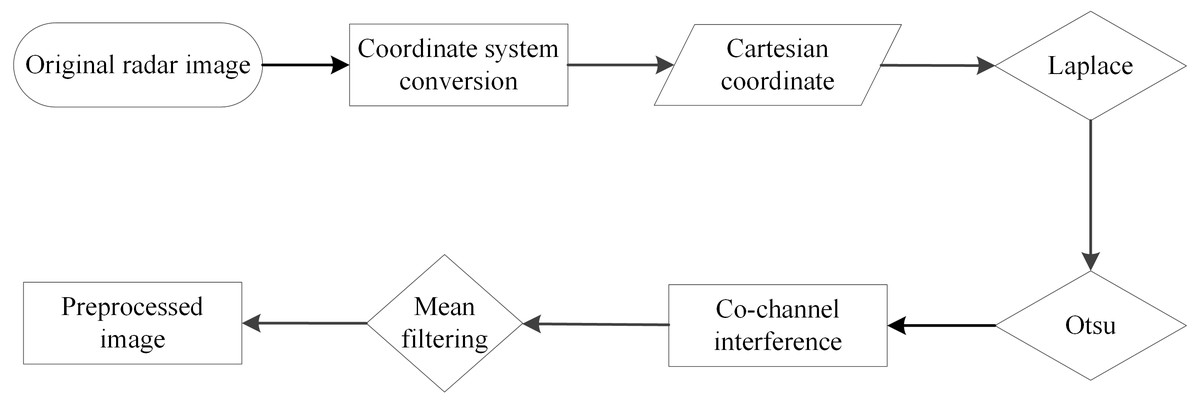
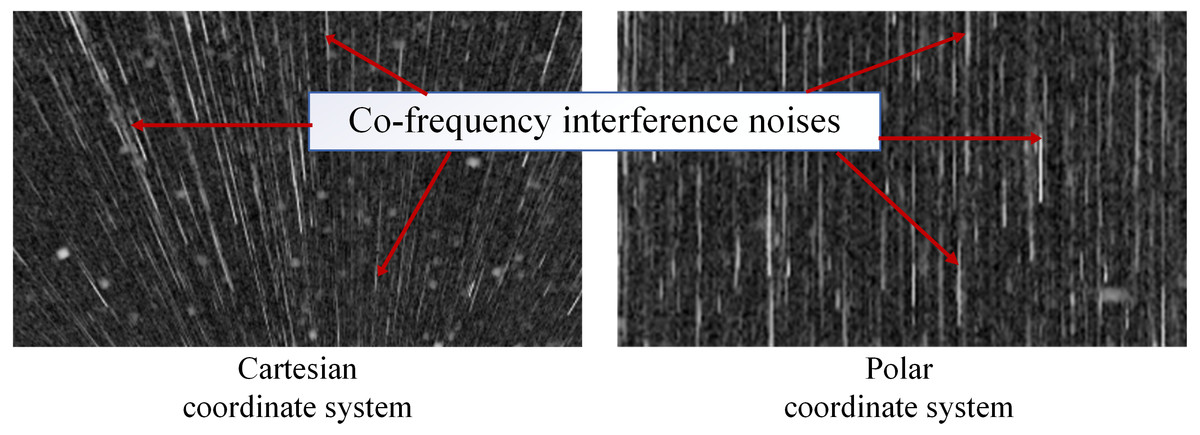
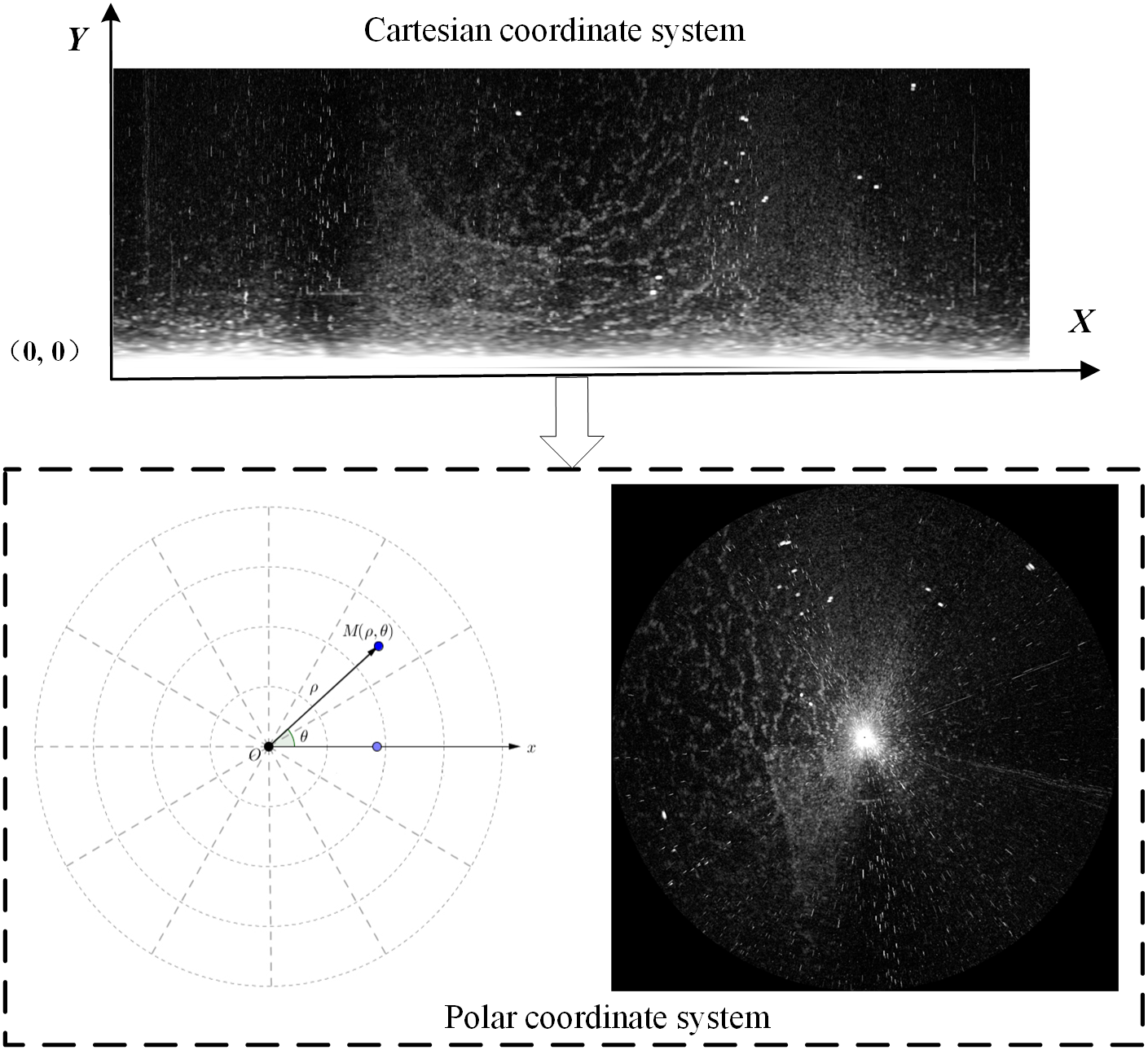
Data preprocessing

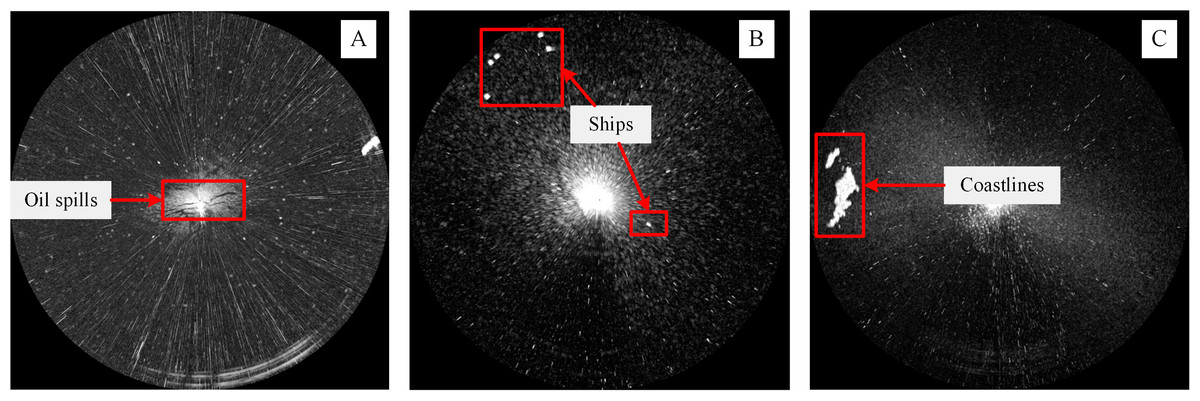
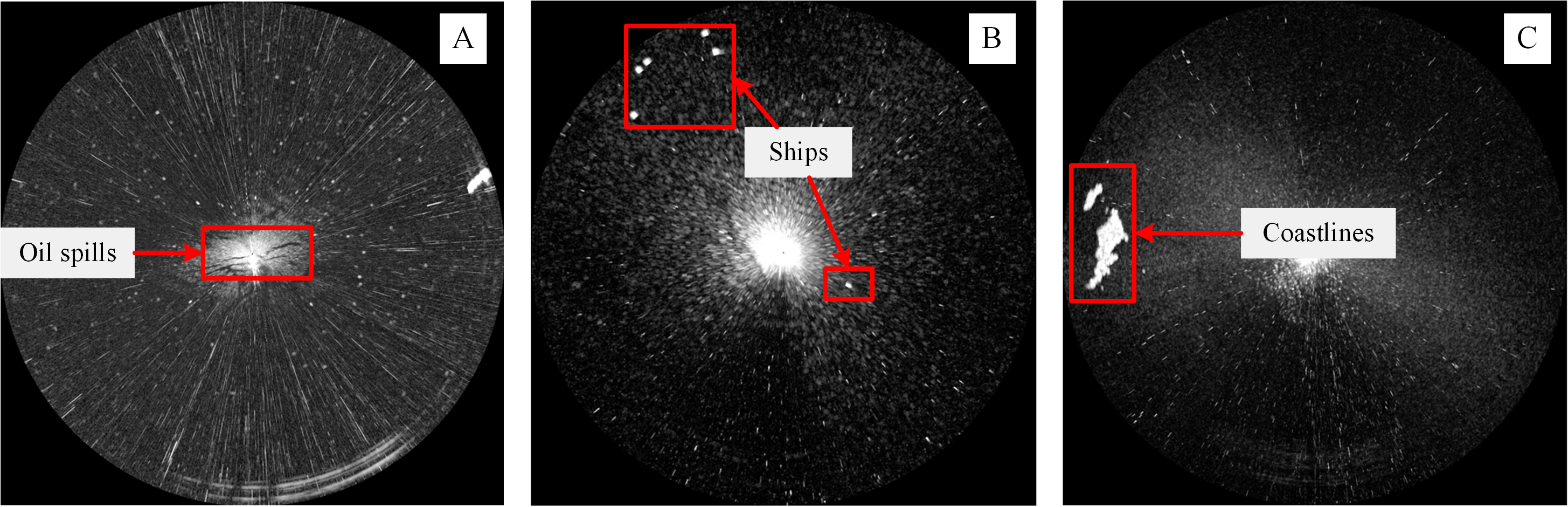
Results

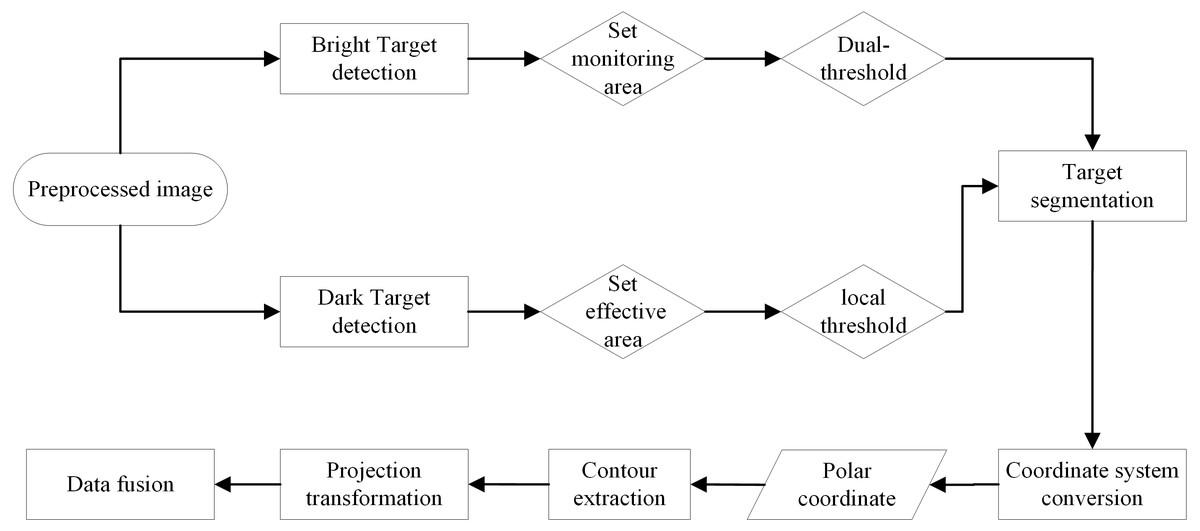
Data analysis process

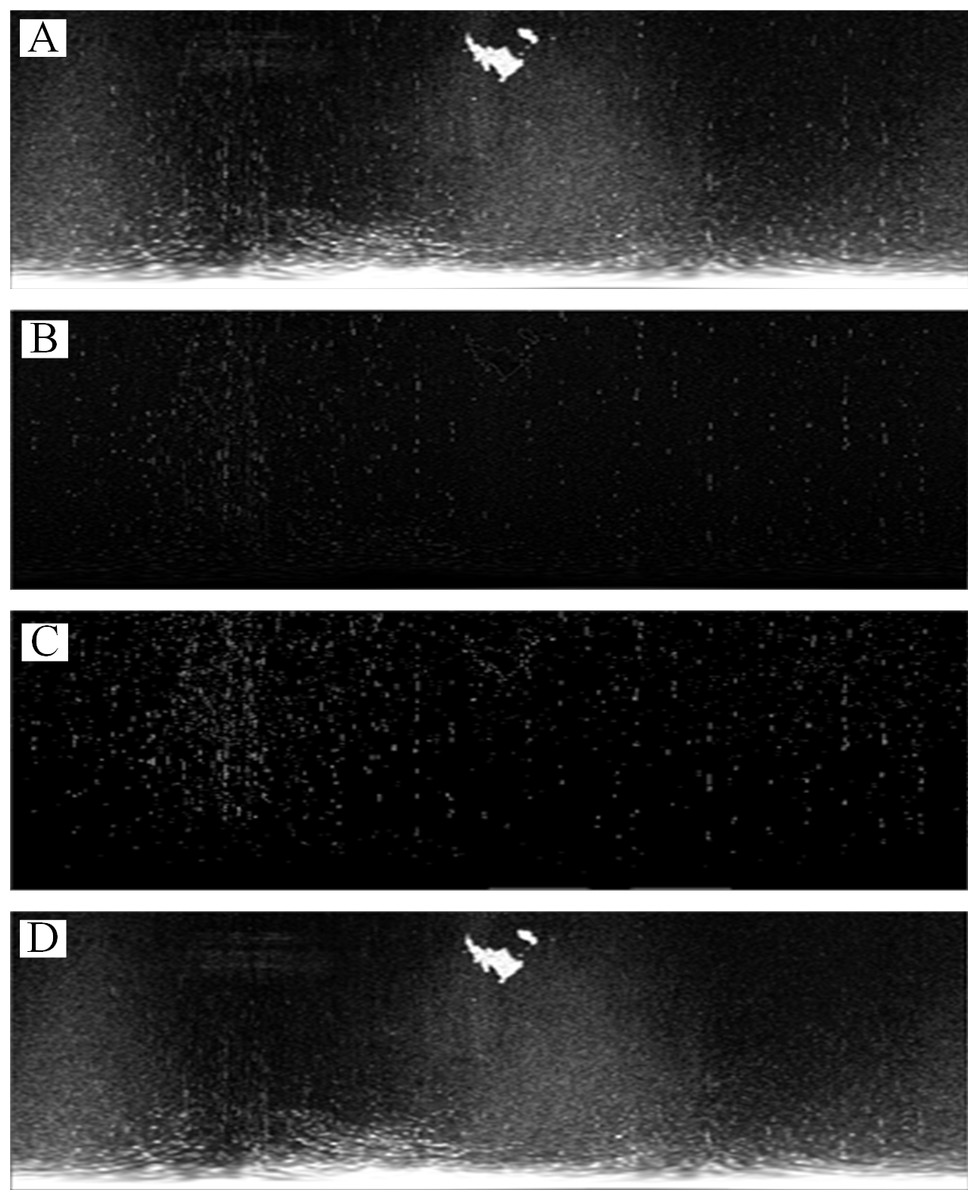
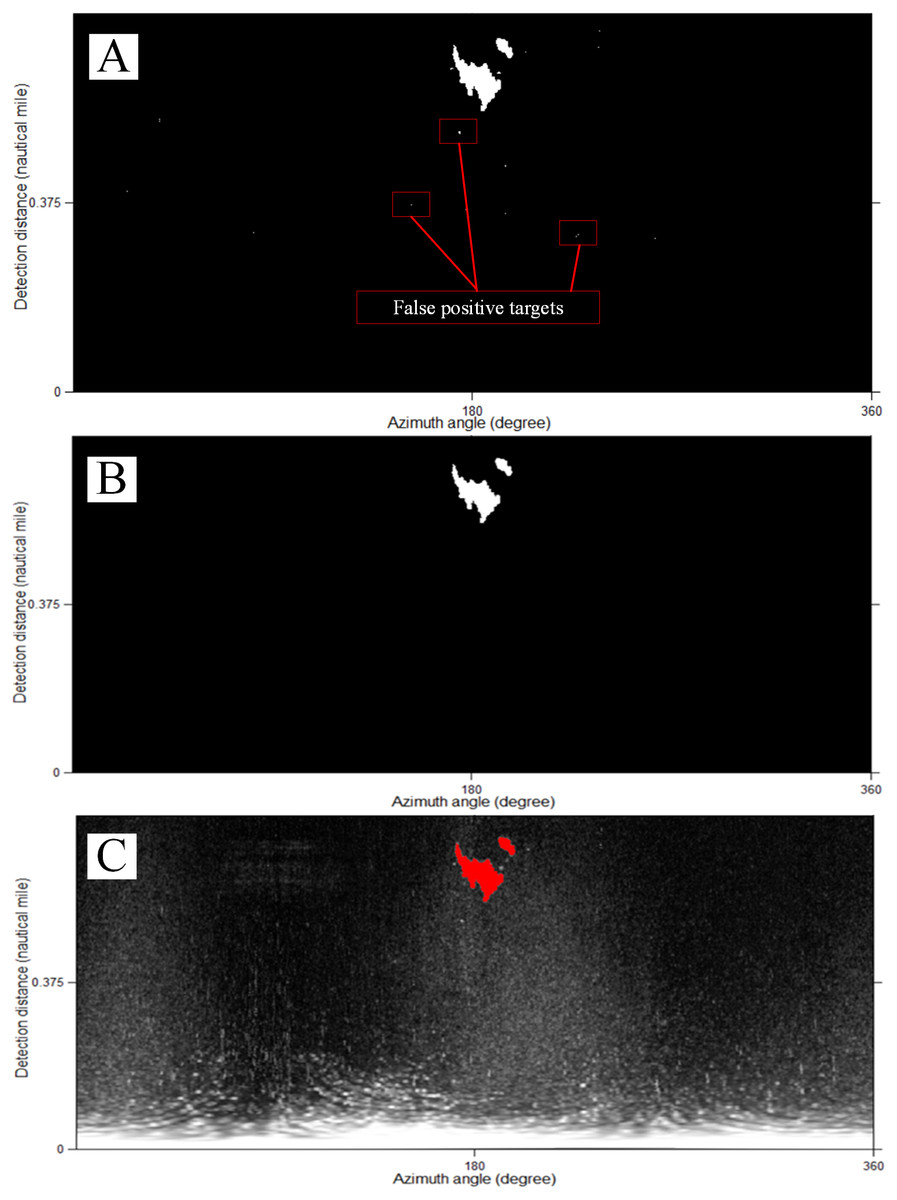
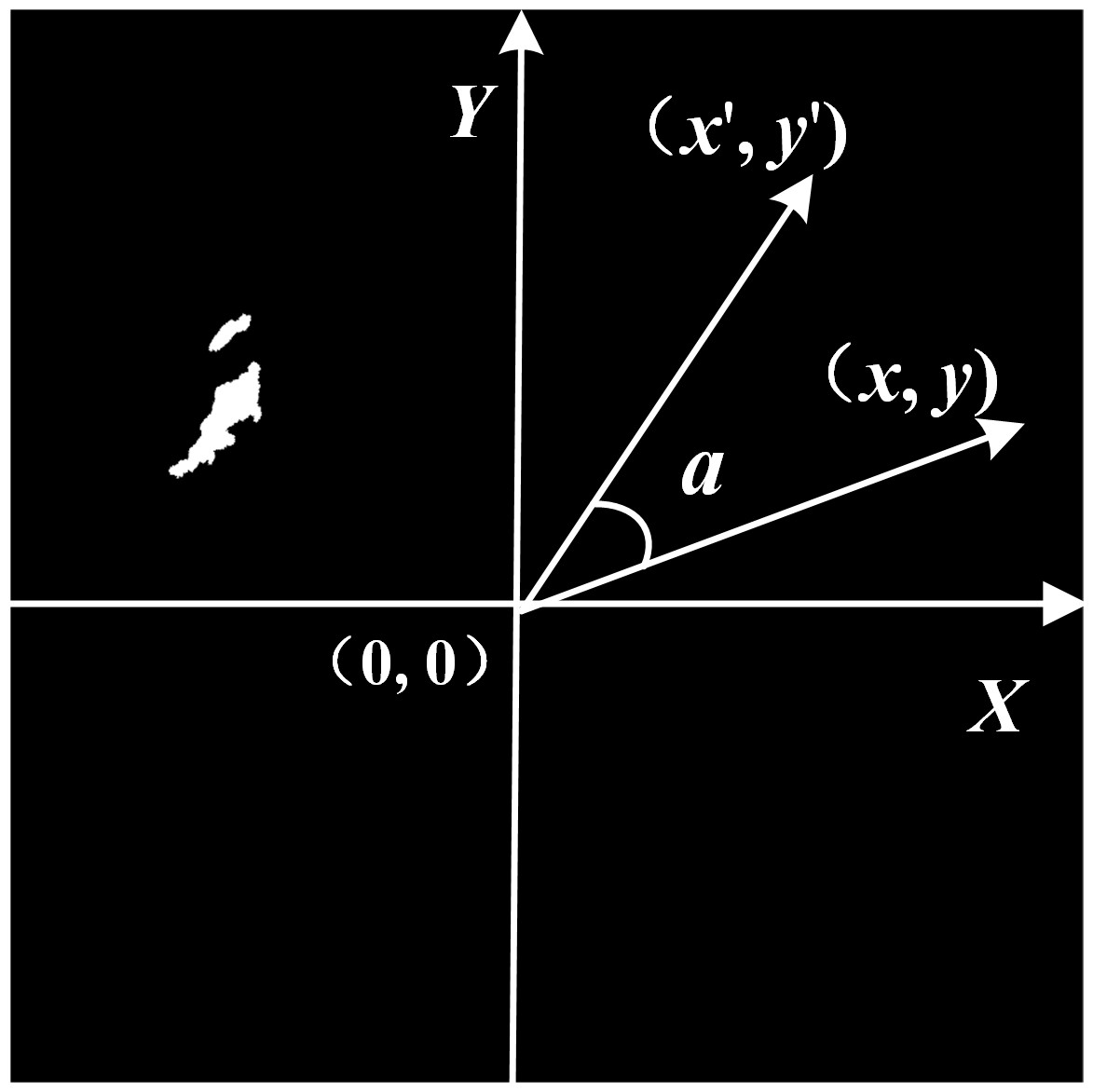
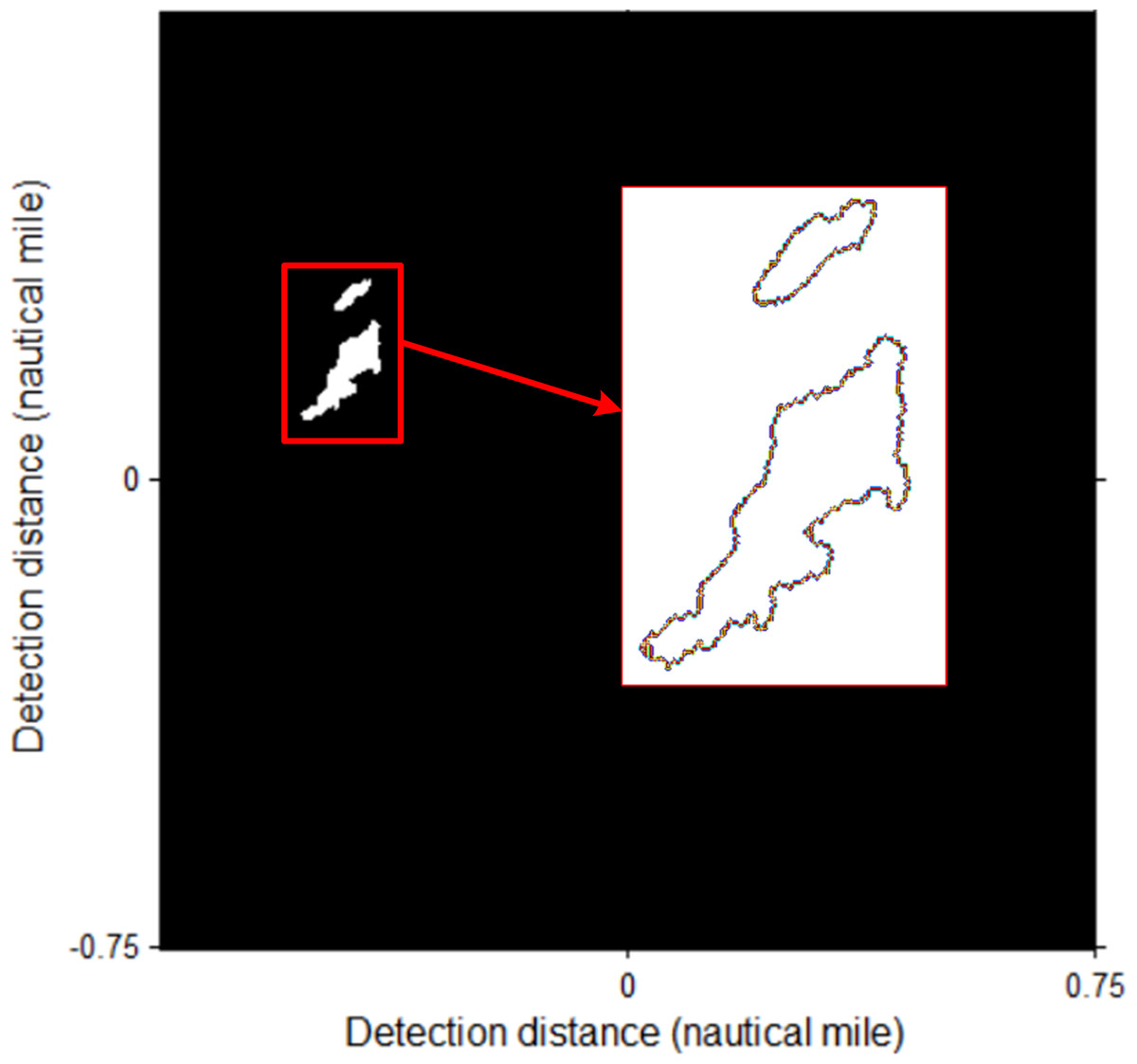
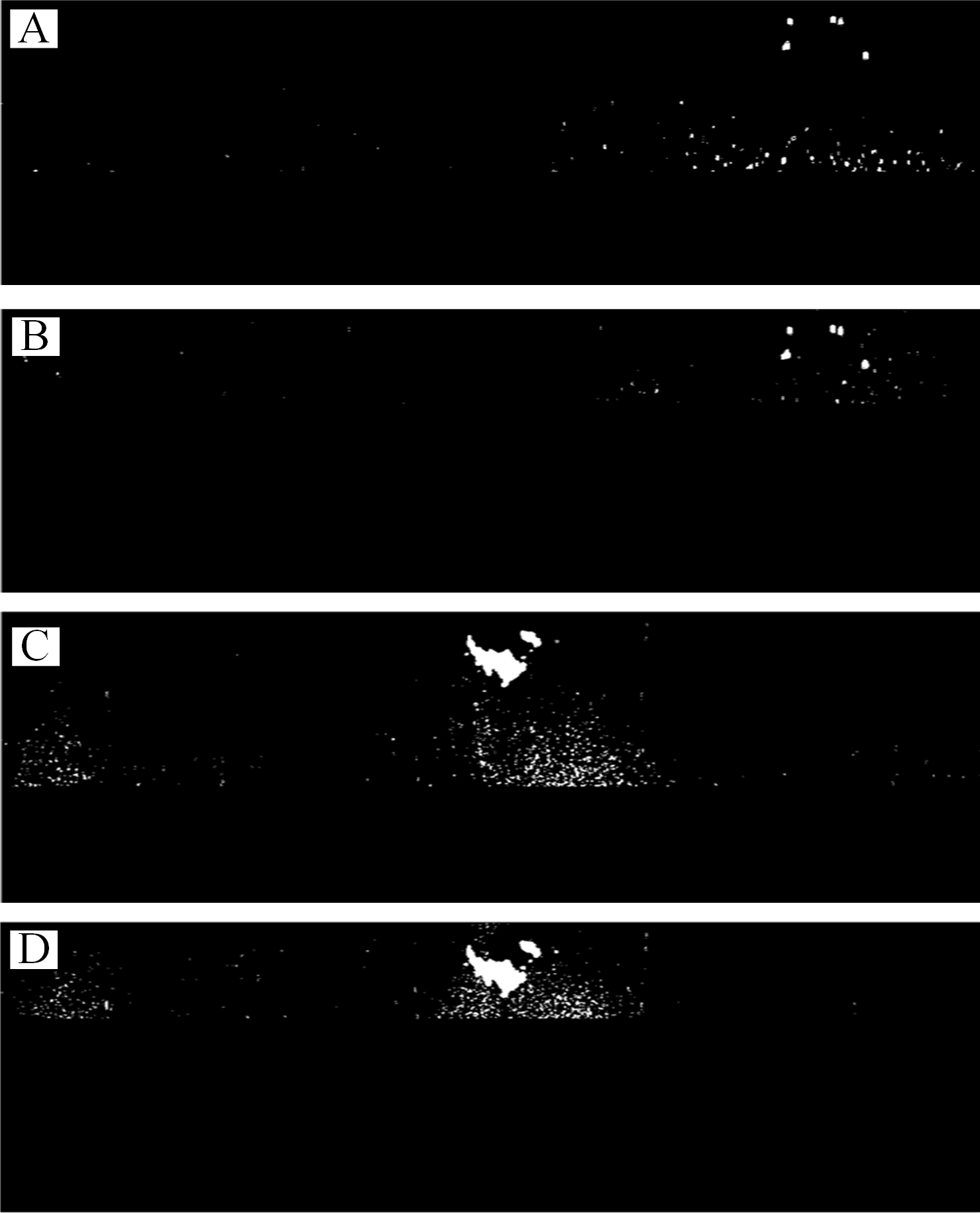
Bright target segmentation
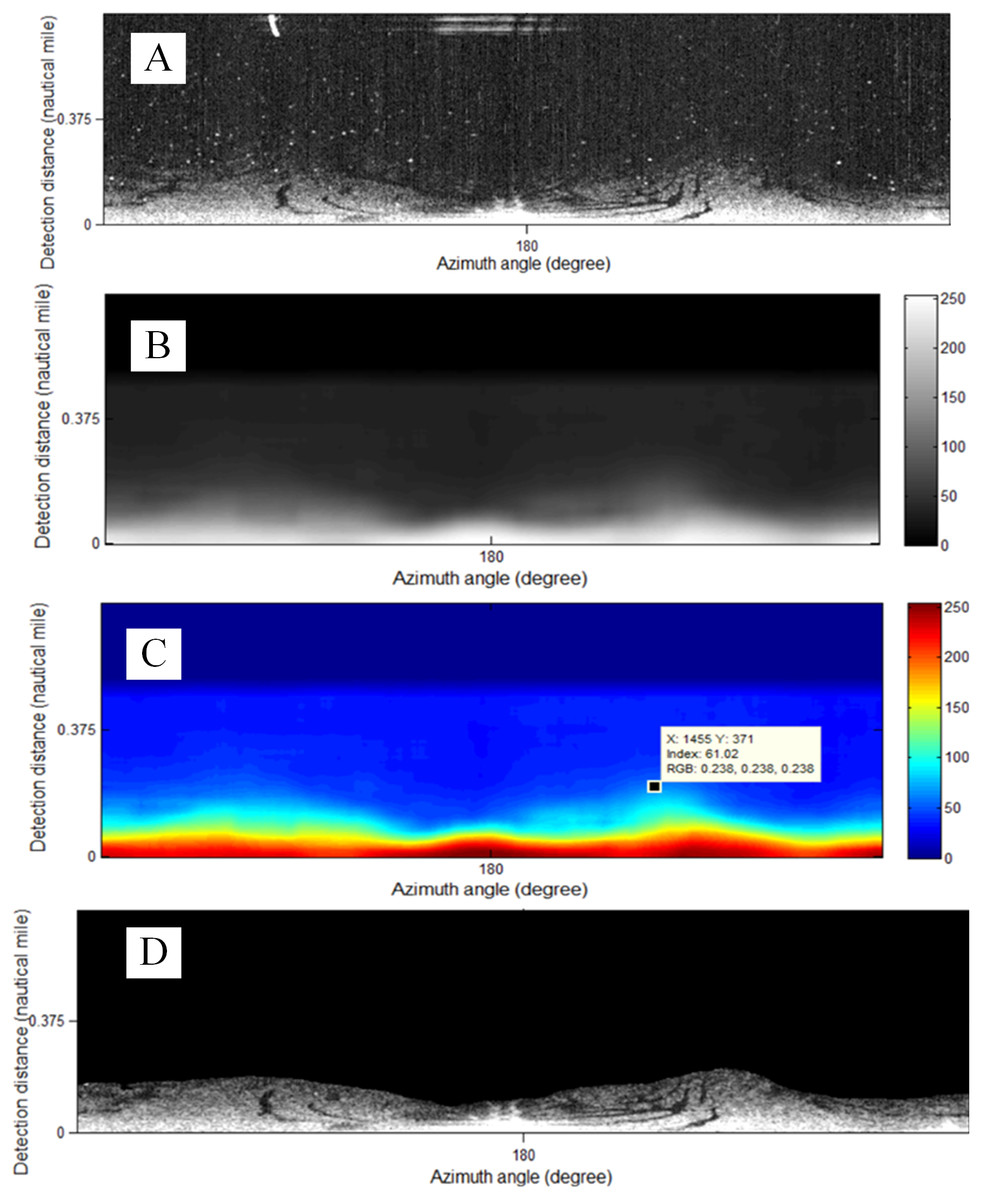
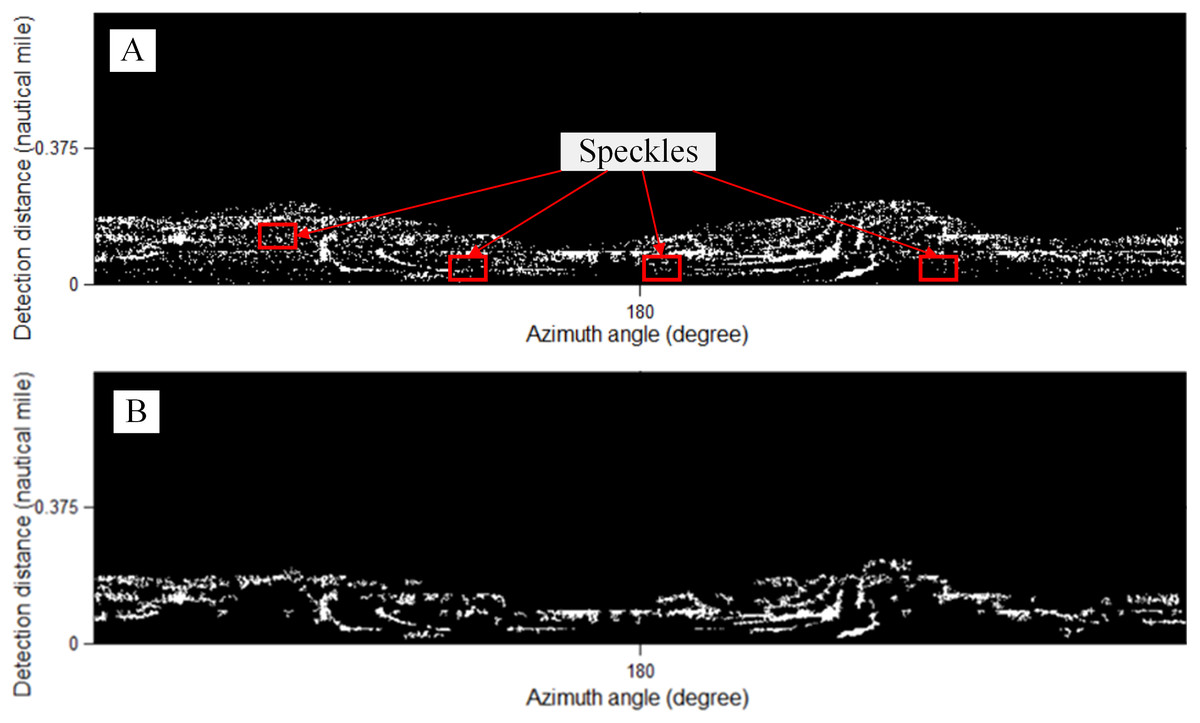
Dark target segmentation

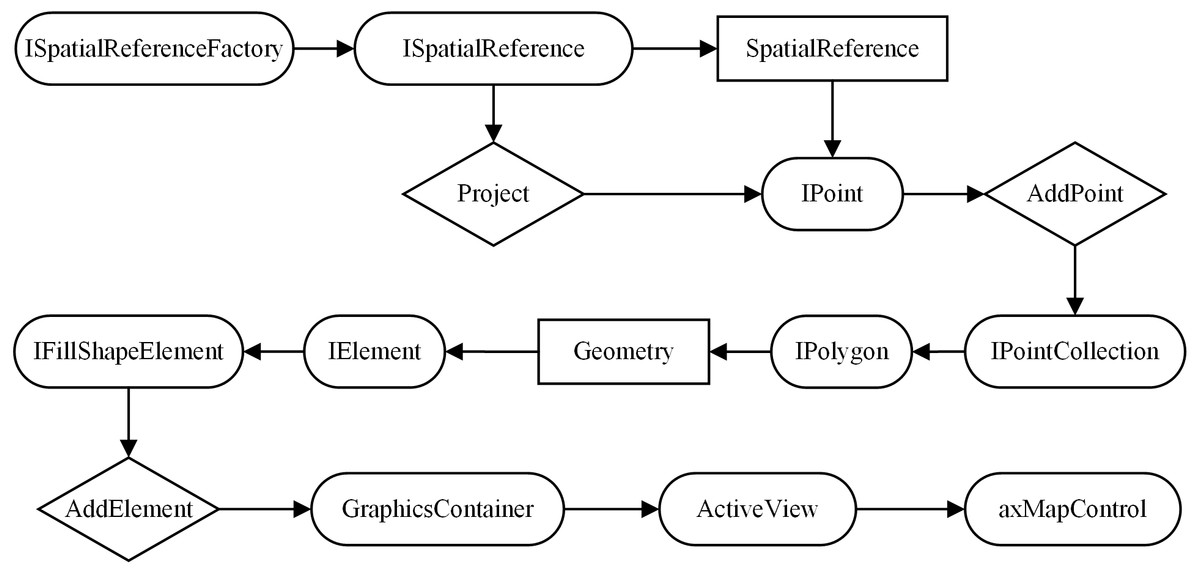
Data fusion

Discussion

Role of data fusion

Different segmentation methods for bright and dark targets

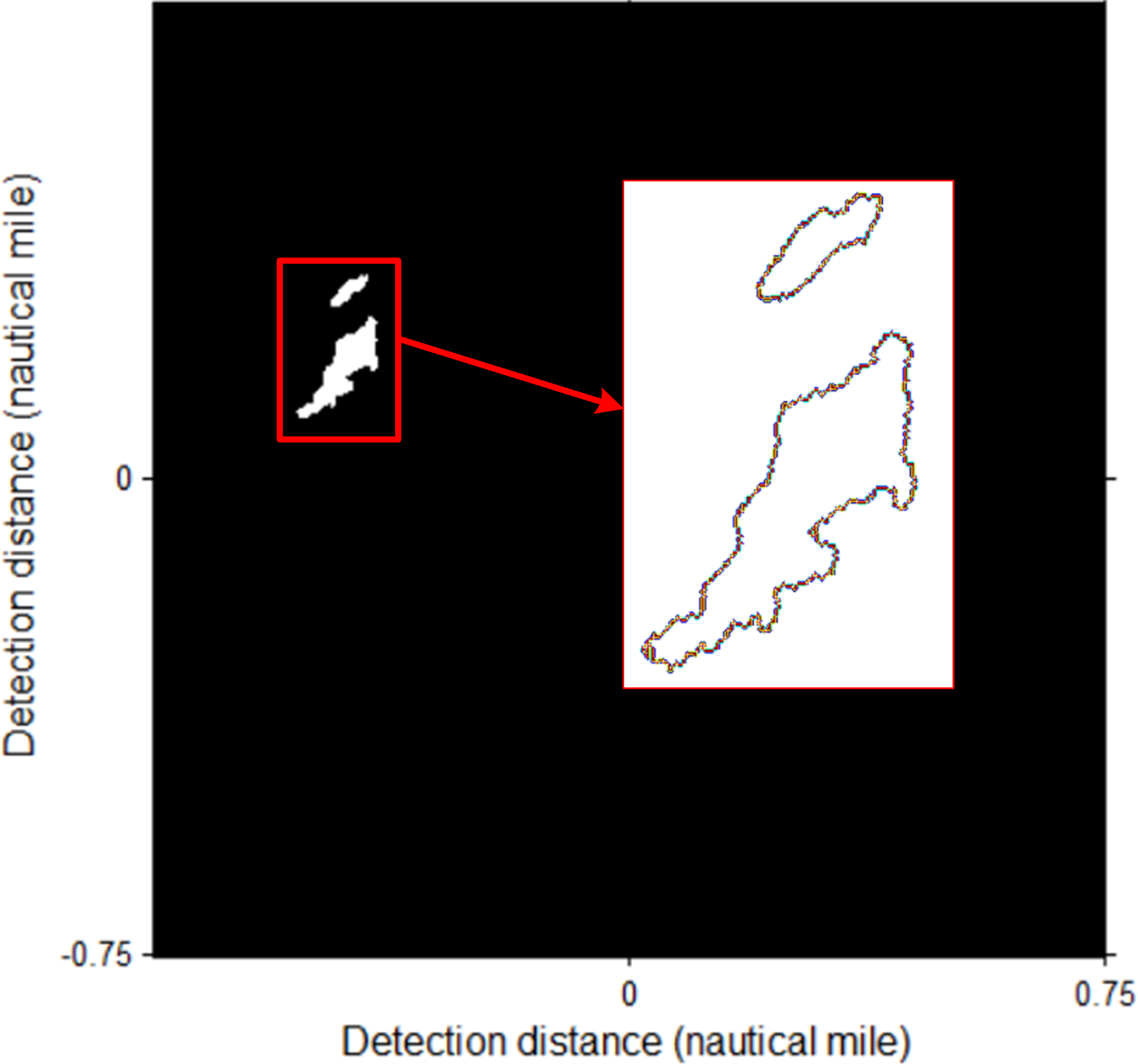
Comparison with other bright target segmentation methods for shipborne radar images
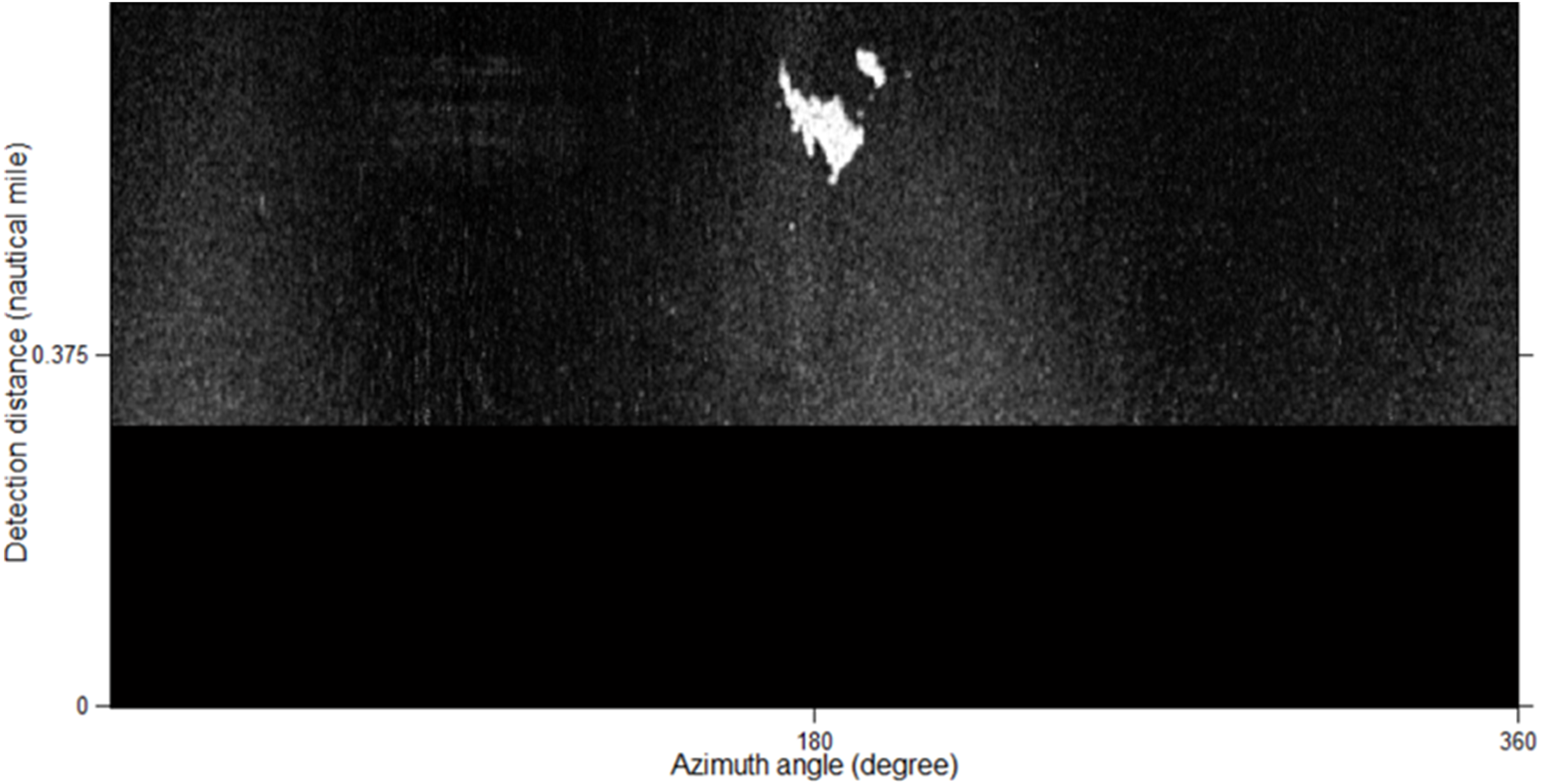
Comparison with other dark target segmentation methods for shipborne radar images

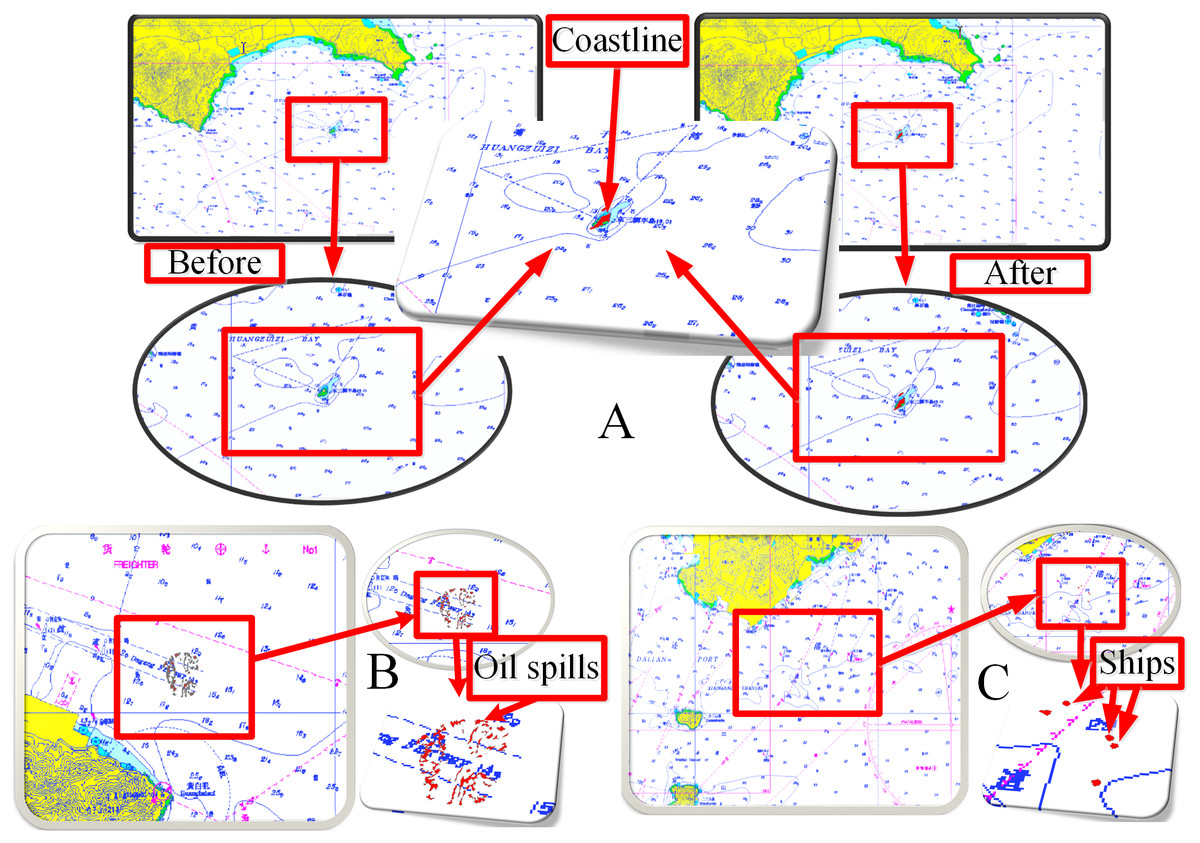
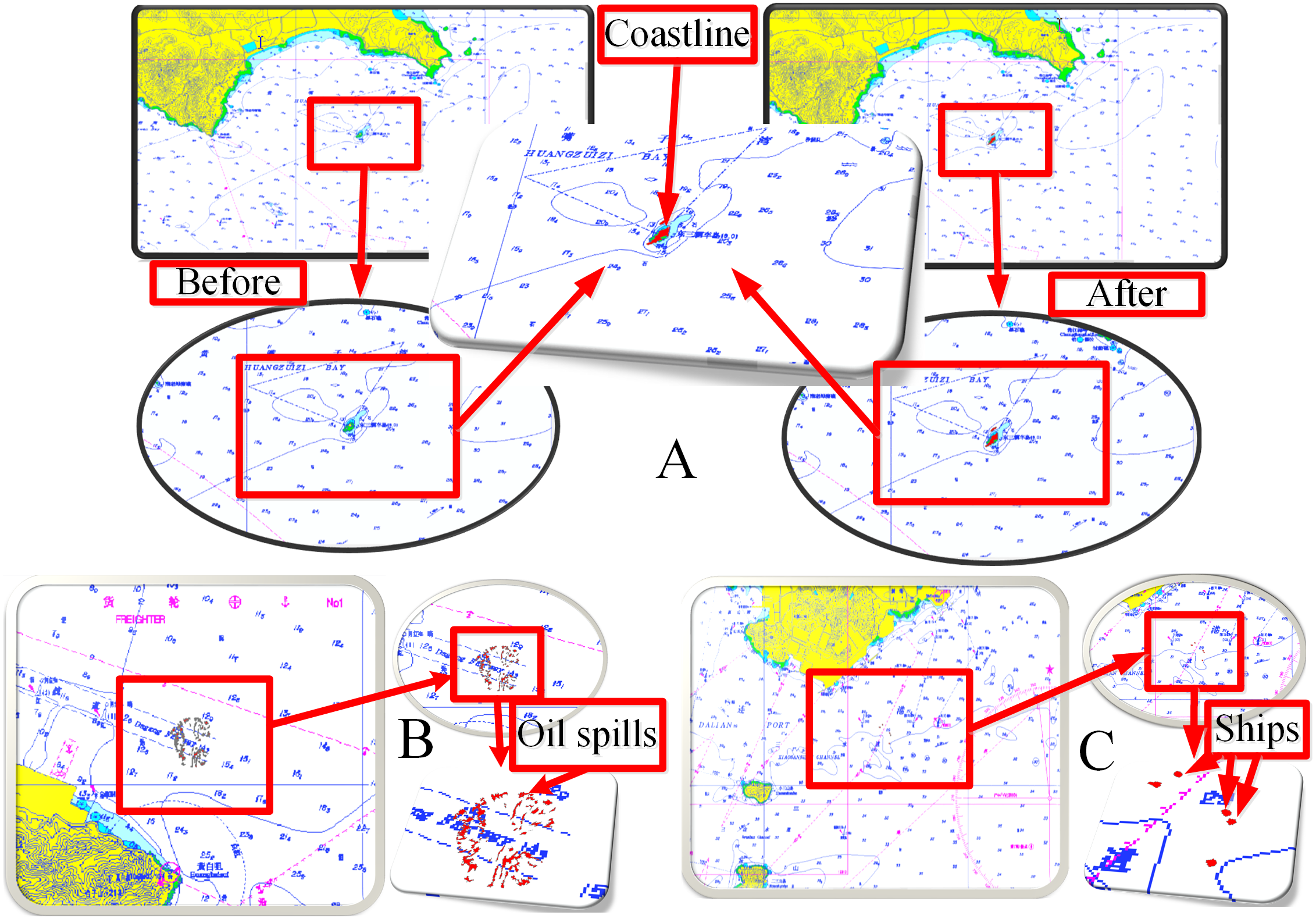
Guarantee of navigation safety using the data fusion of an ENC and shipborne radar

Lack of AIS data

Conclusions

Source: peerj


The technology group Wärtsilä has successfully delivered its brand-new Cloud Simulation solution to Abu Dhabi Maritime Academy. Comprising a combination of cloud-based solutions, including navigational, engine room and liquid cargo handling simulators, Wärtsilä is the first company to offer class-approved cloud-based simulation technology to the maritime industry. The online installation was deployed in early July, allowing the Academy to continue providing its training despite ongoing social distancing and travel restrictions.

Abu Dhabi Maritime Academy is the leading maritime training provider in the region, which is now powered by Wärtsilä Voyage technology. The addition of the online installations of NTPro and TechSim will broaden the simulation-based training offering available at the Academy.

Cloud Simulation technology takes simulation beyond the boundaries of the physical classroom, to provide location and device independence, and to deliver simulation-based training wherever, whenever, and however it is needed by the user.

Remote access to training allows students and instructors to reach various Wärtsilä Voyage simulation models on their personal devices, away from the classroom and without the need for specific Wärtsilä software. Both the TechSim and NTPRO platforms in the cloud provide a classroom configuration with trainer and multiple student stations for familiar instructor-led training.

“We are excited to be at the leading edge of this technology in the maritime industry and enable trainees to acquire a wide range of navigational and engineering skills, without the need to physically attend the training centre. By having remote access to the simulation library and any classroom-based exercise, instructors can easily manage the application and deliver the training,” says Torsten Büssow, Director, Wärtsilä Voyage.

“We are very pleased to have this next-generation of blended-learning solutions delivered by Wärtsilä Voyage. The bespoke training that this solution allows to deliver will undeniably enhance the training experience of our students. The Wärtsilä Voyage distance learning application will surely open up many new training opportunities inside and outside the physical classroom”, comments Capt. Clive Hotham, Head of Marine Short Courses and Simulator, Abu Dhabi Maritime Academy.

Source: wartsila


Company DETAILS

SHIP IP LTD
VAT:BG 202572176
Rakovski STR.145
Sofia,
Bulgaria
Phone ( +359) 24929284
E-mail: sales(at)shipip.com

ISO 9001:2015 CERTIFIED